
A Complete Guide to Choosing the Right Conveyor Roller
Conveyor rollers are among the most essential components in conveyor systems used across industries such as mining, steel, food processing, packaging, and logistics. Choosing the right type of roller not only ensures smooth material flow but also increases the efficiency and lifespan of the entire conveyor system. This guide explains the key factors to consider when selecting conveyor rollers suitable for your specific application.
1. Understanding the Function of Conveyor Rollers
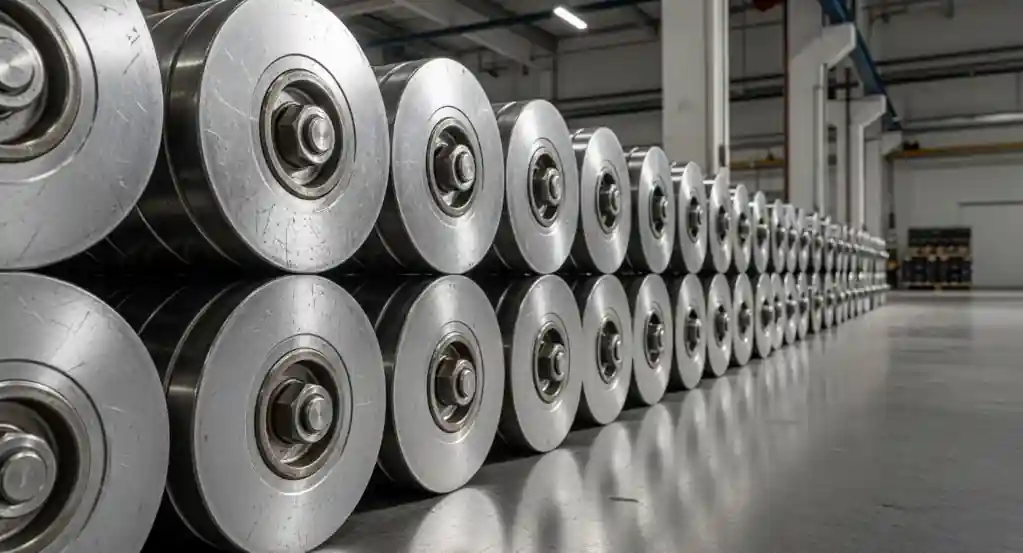
A conveyor roller supports and guides the belt as it moves materials from one point to another. Rollers must maintain balance, minimize friction, and withstand environmental and operational stresses. High-quality rollers reduce energy consumption and prevent premature belt wear.
2. Key Factors in Selecting the Right Roller
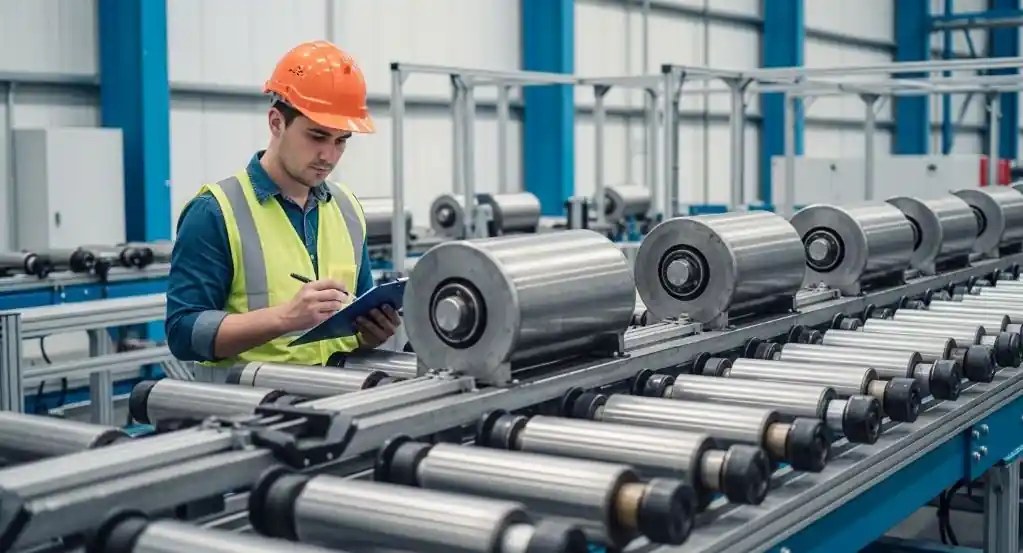
▪ Load Capacity and Application
Determine the total weight and type of materials being transported. Heavy loads or abrasive materials require steel rollers, while lighter applications may benefit from HDPE or nylon rollers. The roller’s wall thickness and shaft diameter should match the expected load.
▪ Environmental Conditions
Consider humidity, temperature, dust, or chemical exposure. In wet or corrosive environments, stainless steel or coated rollers are ideal. In dry or dusty areas, sealed bearings prevent particle intrusion and extend roller life.
▪ Speed and Operating Hours
High-speed conveyors require rollers with precision bearings and accurate balance to prevent vibration and overheating. Always match roller specifications to belt speed and system workload.
▪ Installation Accuracy
Proper roller alignment reduces belt deviation and bearing wear. Misalignment often leads to premature failure. Ensure that mounting frames are straight and rollers are installed at the correct angles.
3. Common Types of Conveyor Rollers
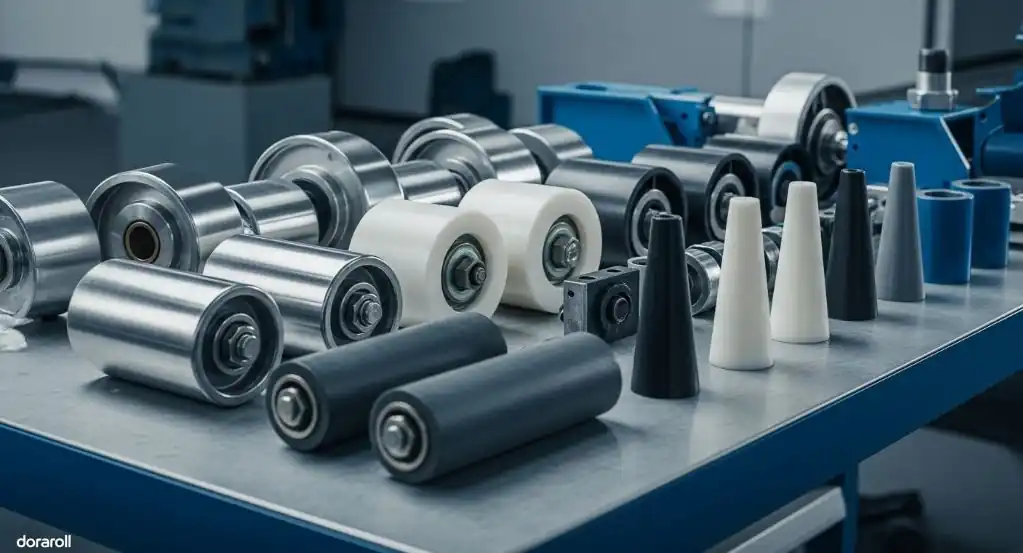
▪ Steel Rollers
Designed for heavy-duty industries such as mining, cement, and steel production. They provide excellent strength and resistance to impact and abrasion.
▪ Stainless Steel Rollers
Corrosion-resistant and suitable for humid or chemical environments. Commonly used in food and pharmaceutical industries.
▪ Plastic or HDPE Rollers
Lightweight, quiet, and corrosion-free — ideal for applications where hygiene and low maintenance are priorities.
▪ Rubber-Coated Rollers
Equipped with a rubber layer to absorb impact and protect the conveyor belt, reducing noise and vibration during operation.
4. Maintenance and Inspection
Regular inspection and timely replacement are crucial. Check for bearing noise, misalignment, or wear on the roller shell. Cleaning debris from under the belt and ensuring proper lubrication can significantly extend the roller’s service life.
Conclusion
Choosing the right conveyor roller involves balancing factors such as load, environment, material type, and maintenance requirements. With proper selection and care, you can maximize conveyor efficiency and minimize downtime. Doraroll provides a wide range of high-quality rollers designed to deliver durability and performance in diverse industrial conditions.