
What Is a Conveyor Roller? Definition and Applications
In many industrial systems — from factories and warehouses to mining operations — the term “roller” is widely used. A roller (also called a conveyor roller) is a simple yet essential cylindrical component in conveyor and material handling systems. This article explains in a clear yet technical way what a roller is, its main types, how it works, and what factors affect its performance and service life.
1. Basic Definition
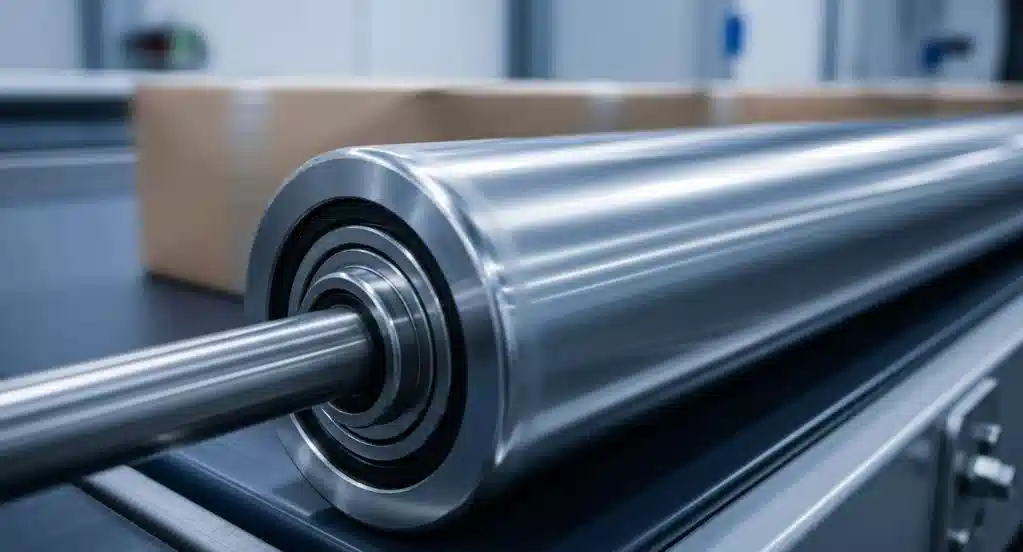
A roller is a rotating cylinder that spins around a shaft to support, guide, or move a conveyor belt and the material on it. Unlike sliding movement, the rolling motion created by rollers reduces friction and energy loss, resulting in smoother and more efficient material transport.
2. Common Types of Rollers
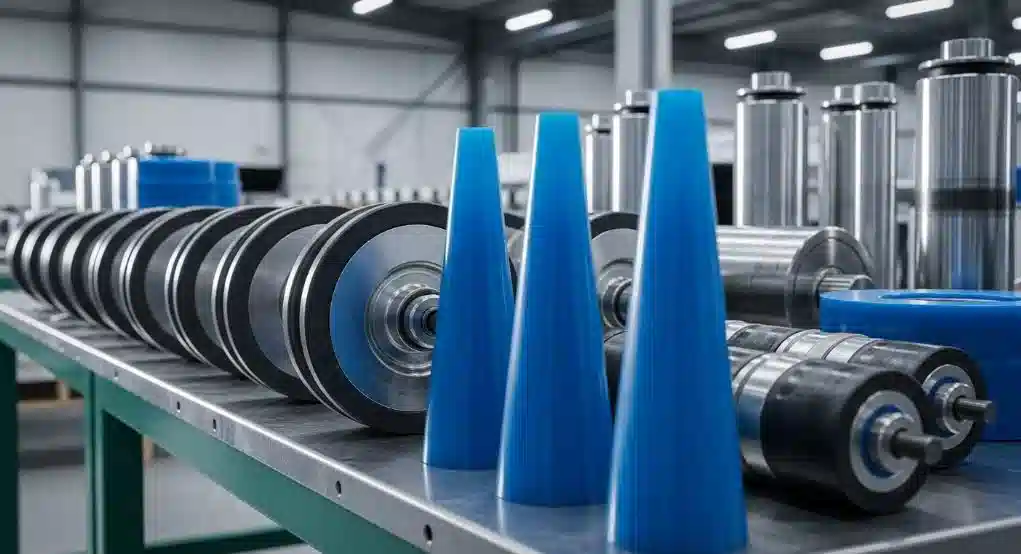
Depending on application and environmental conditions, several roller types are used in conveyor systems:
- Carrying Roller: Supports and carries the loaded belt on the conveying side.
- Return Roller: Guides and supports the return path of the empty belt underneath the conveyor frame.
- Impact Roller: Used at loading points to absorb shock and reduce belt damage caused by falling materials.
- Drive / Idler Roller: Transfers motion or helps maintain belt alignment and tension.
- Rubber-Coated Roller: Provides better grip and protects the belt or conveyed material from slippage.
3. How a Roller Works
The roller functions by rotating around its shaft, creating rolling contact with the conveyor belt or product. This reduces sliding friction and allows smoother movement of materials. At loading zones, impact rollers absorb energy from falling materials; carrying rollers distribute weight evenly along the belt; and return rollers control the lower belt path and maintain tension.
4. Factors Affecting Roller Performance & Lifespan
▪ Material & Manufacturing Quality
The body material, tube thickness, welding quality, and bearing type are key determinants of roller durability. High-quality steel bodies, precision bearings, and protective coatings enhance resistance against wear, corrosion, and surface damage.
▪ Environmental Conditions
Moisture, dust, chemicals, and temperature variations can cause corrosion or bearing contamination. For harsh or corrosive environments, stainless steel rollers or sealed bearings are essential to maintain reliability.
▪ Load & Impact
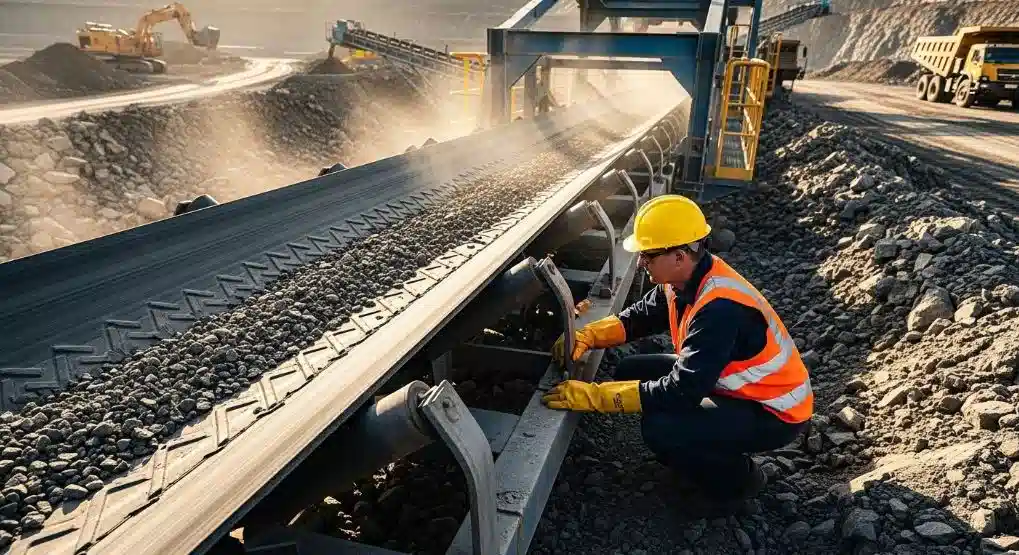
Constant or sudden loads (e.g., falling material) exert high stress on shafts and bearings. Proper design considering maximum load and the use of impact-resistant rollers help prevent premature failure.
▪ Installation & Alignment
Accurate installation and alignment prevent uneven wear and excessive load on bearings. Even a high-quality roller can fail prematurely if misaligned — so precise installation by trained technicians is essential.
▪ Maintenance & Inspection
Routine maintenance includes cleaning, lubrication, checking for smooth rotation, and replacing worn bearings. In dusty or corrosive environments, using sealed bearings and performing frequent inspections significantly extend roller lifespan.
5. Practical Tips for Selecting the Right Roller
- Define the load type, material weight, and impact frequency.
- Consider the working environment — dust, humidity, chemicals, and temperature.
- Select bearing and surface coatings that suit the conditions (sealed, stainless steel, or rubber-coated).
- Source rollers from certified manufacturers with quality testing — like Doraroll’s balanced and durability-tested products.
Conclusion
A roller may look simple, but proper design, installation, and maintenance greatly impact conveyor efficiency and operating cost. By understanding roller types, working principles, and best practices, you can significantly extend the service life of your conveyor system. Doraroll products are engineered under strict quality control and durability standards to deliver reliable performance in demanding industrial environments.