
Types of Conveyors: Complete Guide to Conveyor Systems and Their Applications
Conveyors are vital components in industrial and logistics systems, designed to transport materials efficiently and safely between processes. By selecting the right conveyor type, industries can enhance productivity, reduce downtime, and optimize energy use. This article explores the most common conveyor types, their features, and technical characteristics.
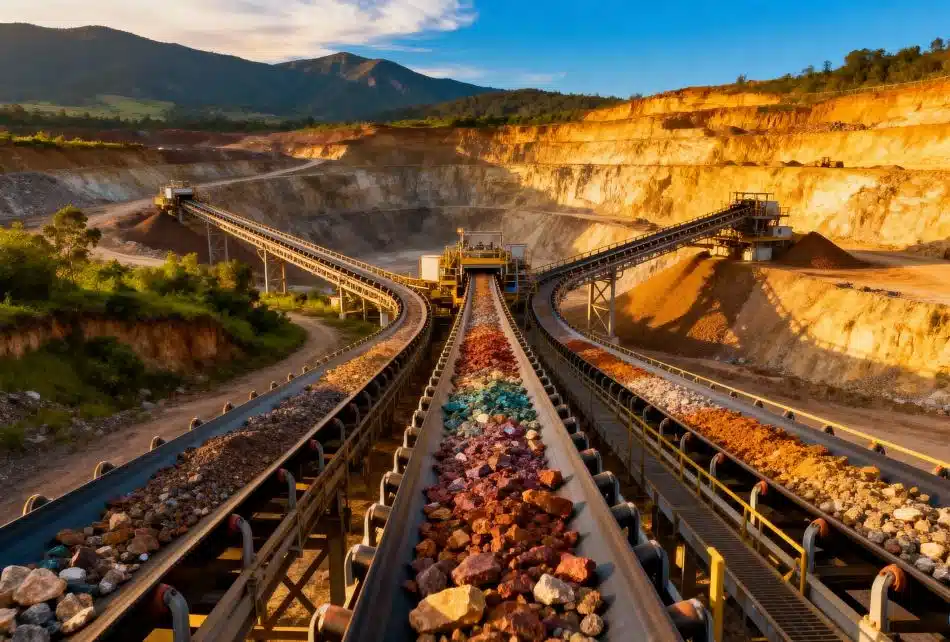
1. Belt Conveyors
Belt conveyors are the most widely used conveyor type, consisting of a continuous belt supported by pulleys or rollers. They transport materials smoothly over long distances and can operate horizontally or on an incline.
Applications: packaging, mining, food processing, and assembly lines.
Technical Info: belt widths from 300 mm to 2,000 mm, speeds up to 5 m/s.
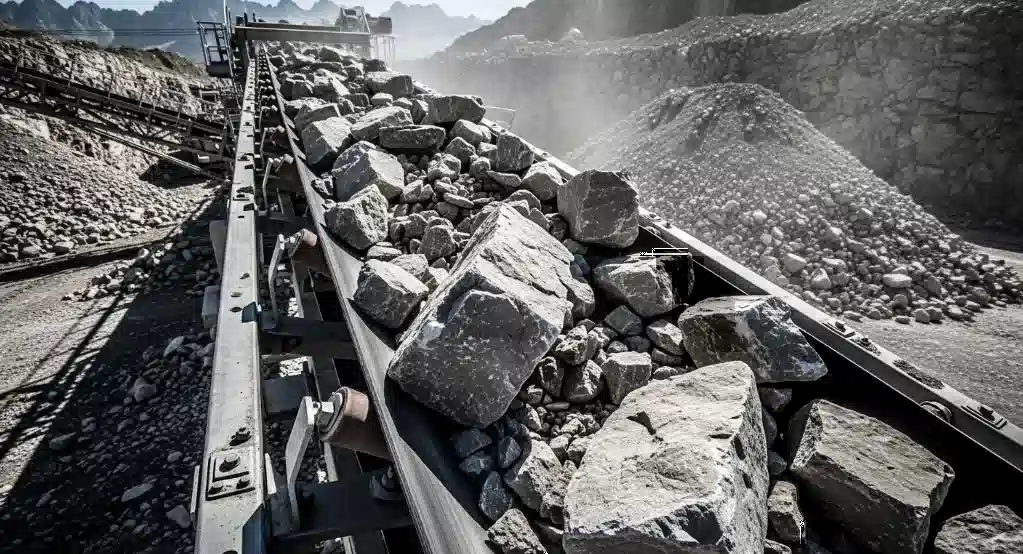
2. Roller Conveyors
Roller conveyors move materials using rollers that can be powered or gravity-based. They are ideal for transporting boxes, pallets, or flat-bottomed goods.
Applications: warehouses, distribution centers, and manufacturing lines.
Technical Info: roller diameters 20–89 mm, load capacity 5–150 kg per roller.
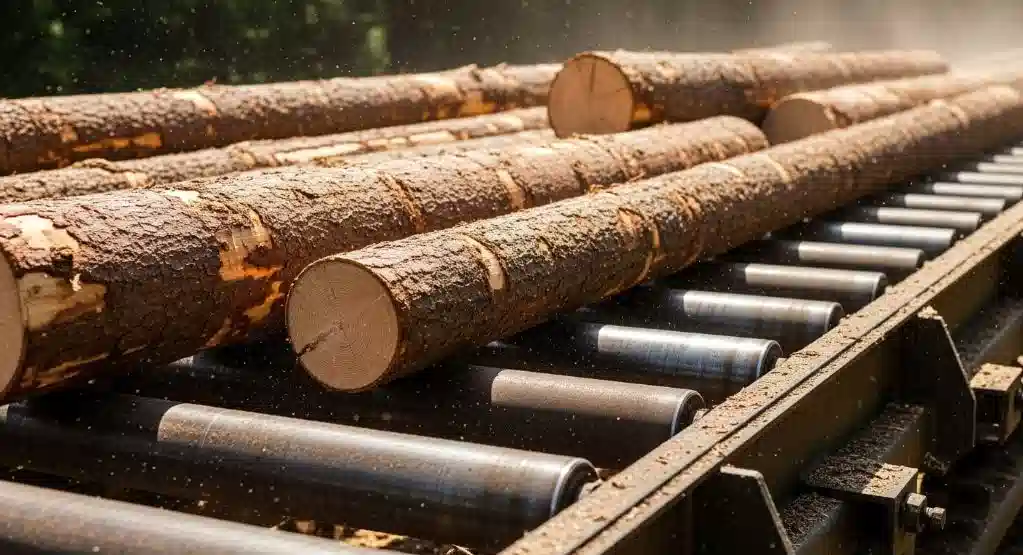
3. Chain Conveyors
Chain conveyors use linked chains to move products along a fixed path. They are strong and reliable, suitable for heavy loads and harsh environments.
Applications: automotive assembly, pallet handling, and steel plants.
Technical Info: handles loads up to 20 tons, speeds up to 0.6 m/s.
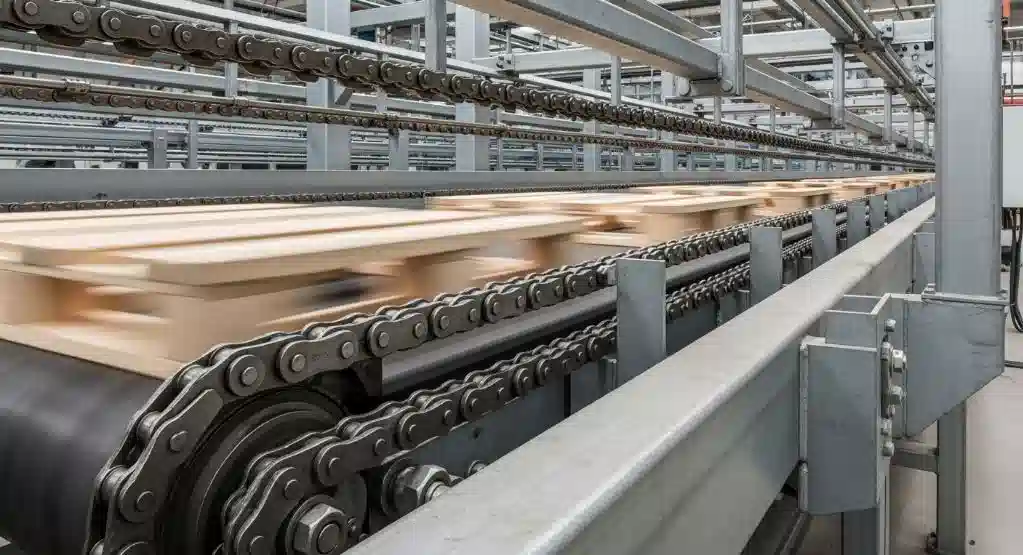
4. Screw Conveyors
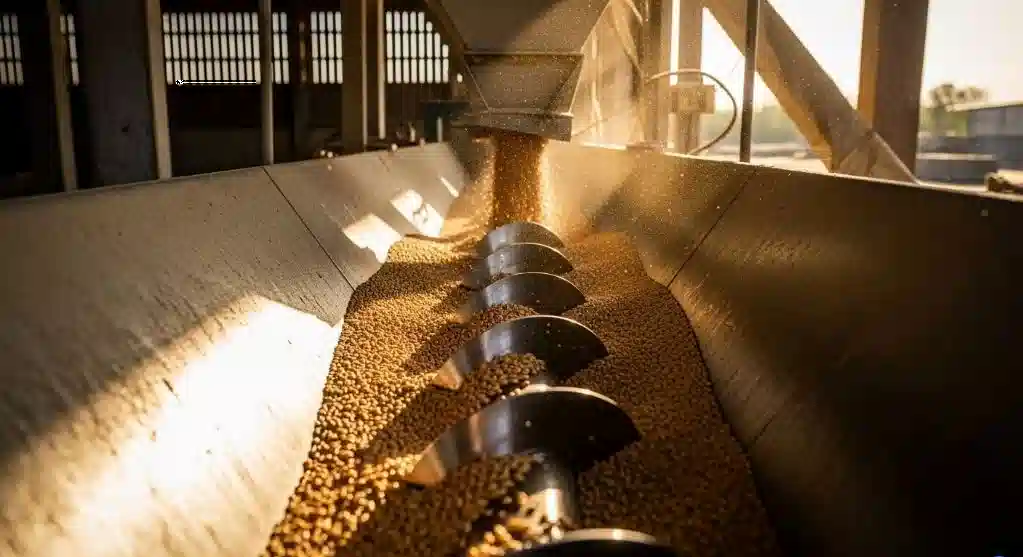
Screw conveyors consist of a rotating helical screw inside a trough or tube, moving granular or semi-solid materials. They are compact and dust-tight.
Applications: agriculture, food processing, and wastewater treatment.
Technical Info: screw diameters 100–600 mm; conveying angle up to 45°.
5. Pneumatic Conveyors
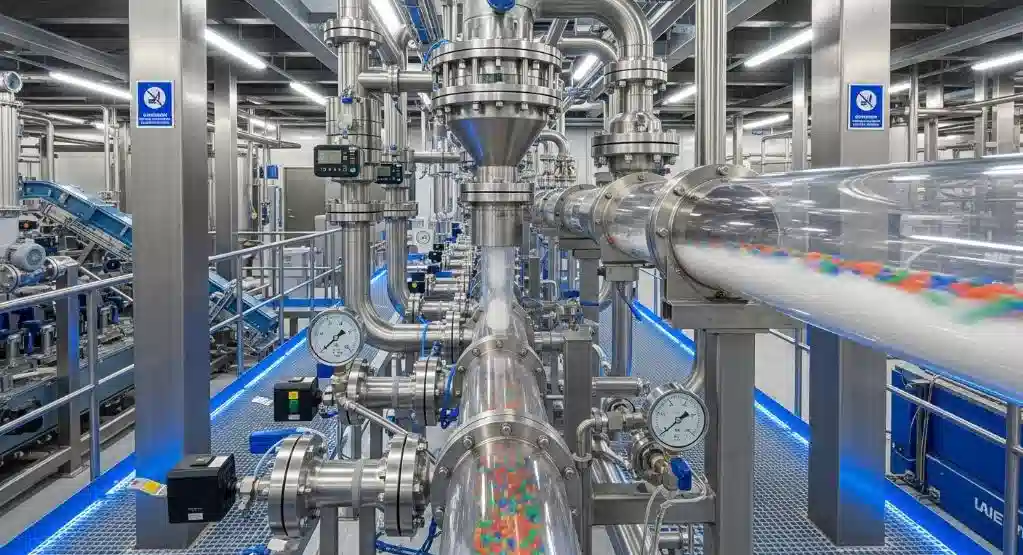
Pneumatic conveyors transport materials using air pressure or vacuum through pipelines. They are suitable for powders and small granules.
Applications: food, chemical, and plastic industries.
Technical Info: vacuum systems: 0.5–1 bar; pressure systems: up to 6 bar.
6. Bucket Elevators
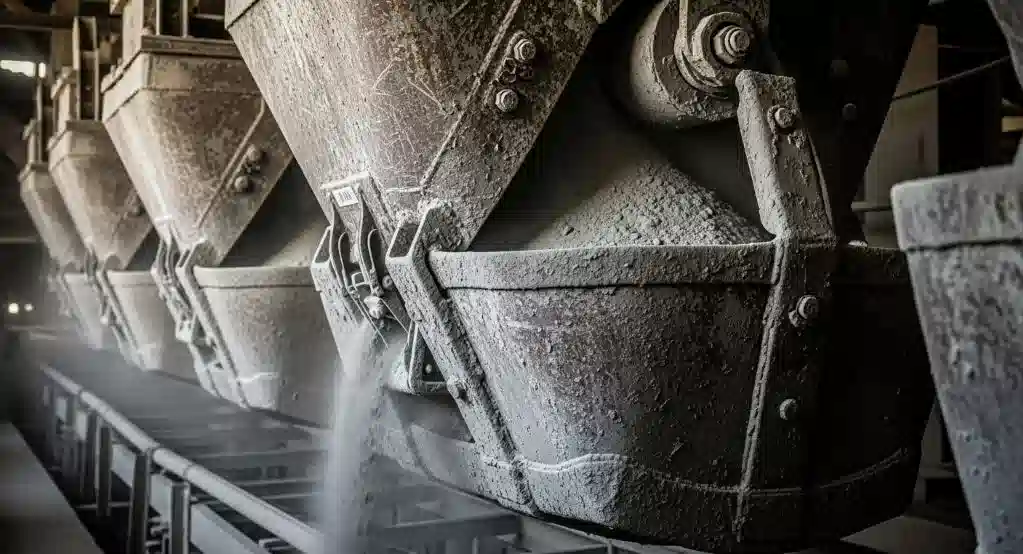
Bucket elevators are vertical conveyors that lift bulk materials using attached buckets on a belt or chain. They are efficient for vertical transport.
Applications: grain, cement, and fertilizer industries.
Technical Info: lift height up to 50 m; capacity up to 1,000 m³/h.
7. Vibrating Conveyors
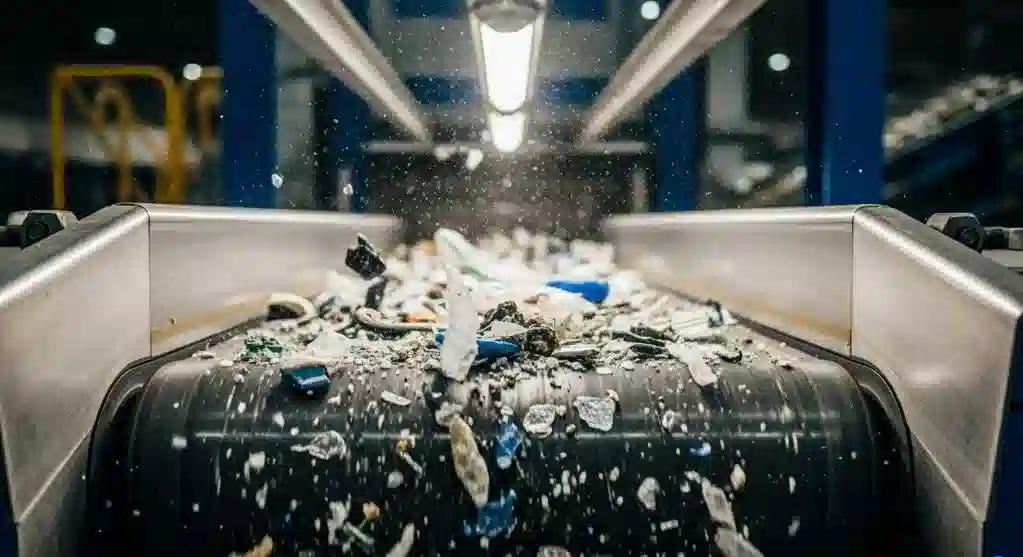
Vibrating conveyors move materials through vibration. They are excellent for fragile, hot, or sticky products.
Applications: recycling, foundries, and food industries.
Technical Info: frequency 15–60 Hz; adjustable amplitude for flow control.
8. Overhead and Floor Conveyors
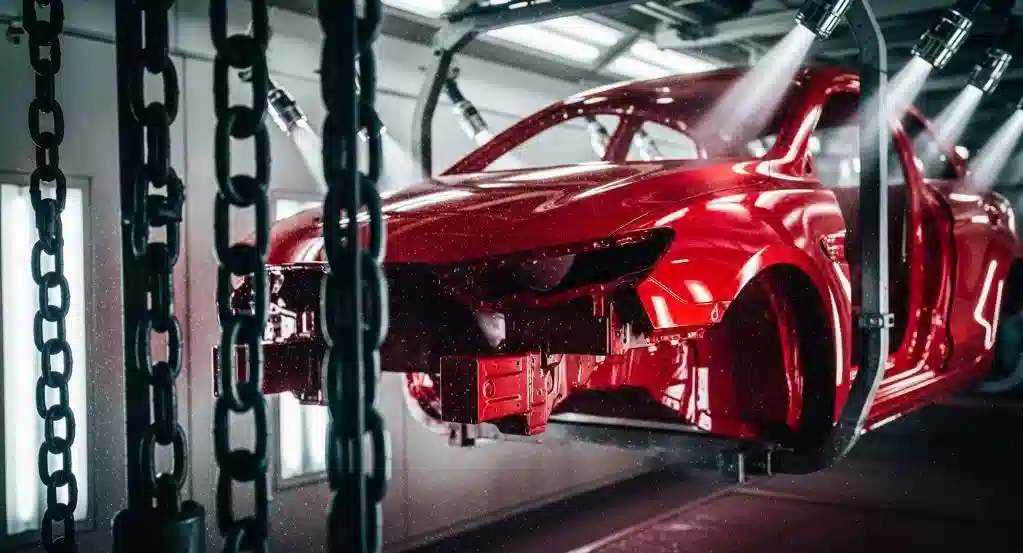
Overhead conveyors suspend materials from a track, while floor conveyors operate at ground level. They are widely used in automated assembly systems.
Applications: automotive painting, warehousing, and garment handling.
Technical Info: speeds from 3–60 m/min, depending on load and system type.
Conclusion
Modern conveyor systems are critical to efficient industrial operations. Understanding each conveyor type helps engineers and decision-makers choose systems that enhance productivity and reliability. From belt conveyors to pneumatic and vibrating systems, each design plays a key role in optimizing material handling for various industries.