
Factors Affecting the Lifespan of Ball Bearings
Ball bearings are essential components in countless machines — from industrial conveyors and electric motors to automobiles and aerospace systems. Their primary role is to reduce friction between rotating parts, ensuring smooth, efficient motion. However, despite their robust design, ball bearings are not immune to wear and failure. Understanding the key factors that influence their lifespan is crucial for maximizing performance, reducing downtime, and saving on replacement costs.
1. Quality of Manufacturing and Material
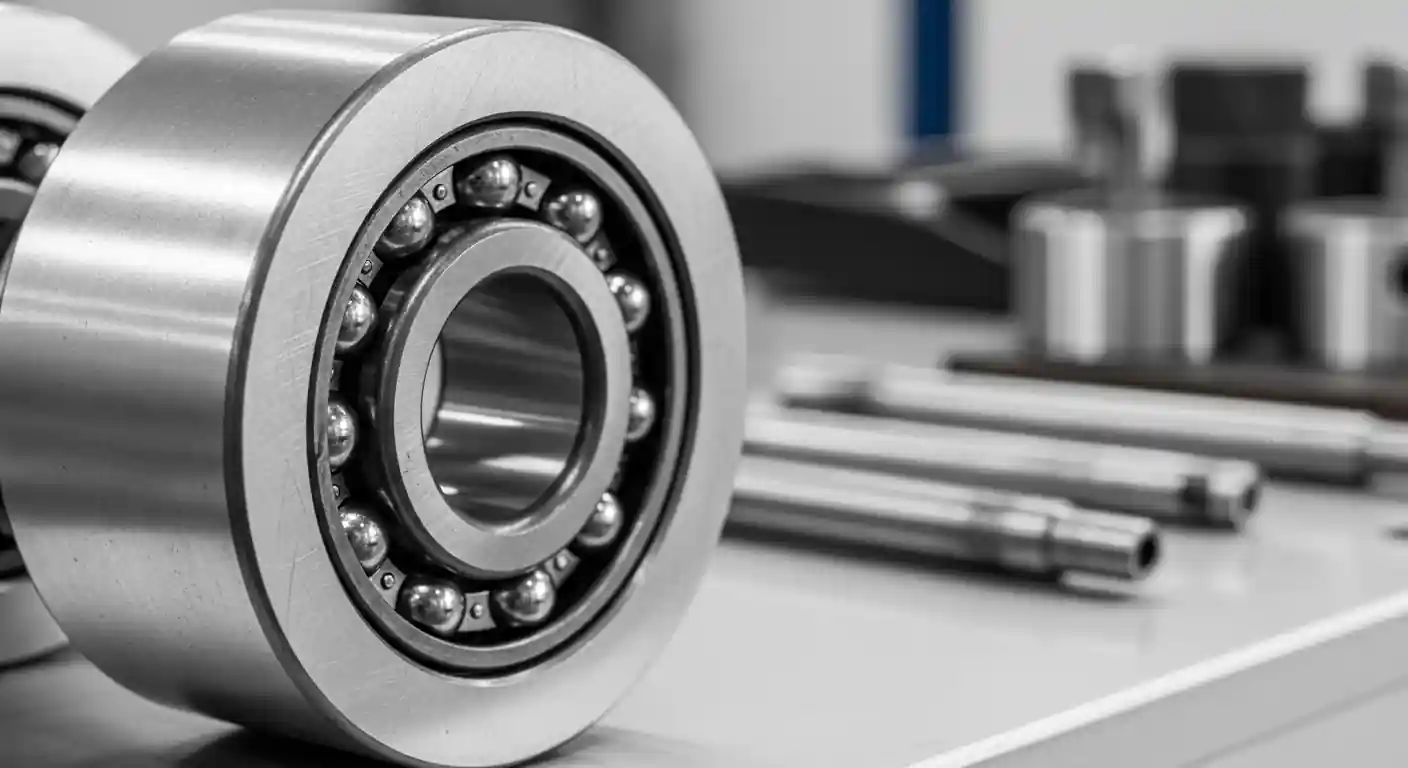
The foundation of a bearing’s durability begins with the quality of materials and precision of manufacturing. High-grade steel, ceramic, or hybrid materials provide greater resistance to wear, fatigue, and corrosion. Bearings produced by reputable manufacturers undergo strict quality control processes such as heat treatment, surface finishing, and hardness testing, all of which extend operational life.
2. Lubrication Quality and Maintenance
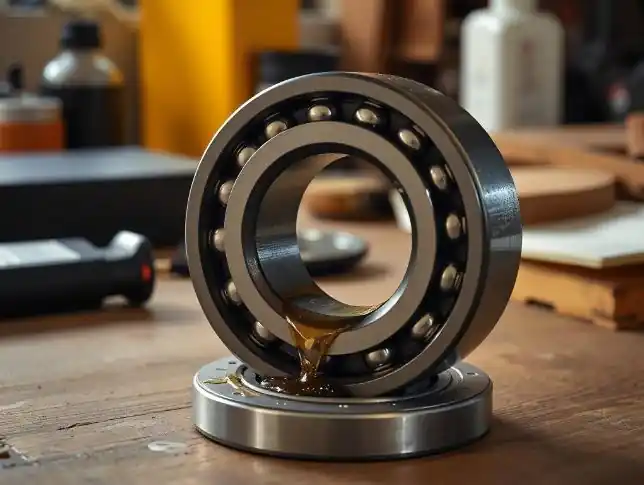
Proper lubrication is one of the most critical factors affecting bearing longevity. Lubricants reduce metal-to-metal contact, prevent corrosion, and dissipate heat. Insufficient, contaminated, or incorrect lubrication leads to increased friction and early failure.
- Choose the type of lubricant (grease or oil) based on operating conditions.
- Follow manufacturer recommendations for re-lubrication intervals.
- Keep tools and environments clean to prevent contamination.
Neglecting lubrication can reduce bearing life by up to 70%.
3. Load Conditions
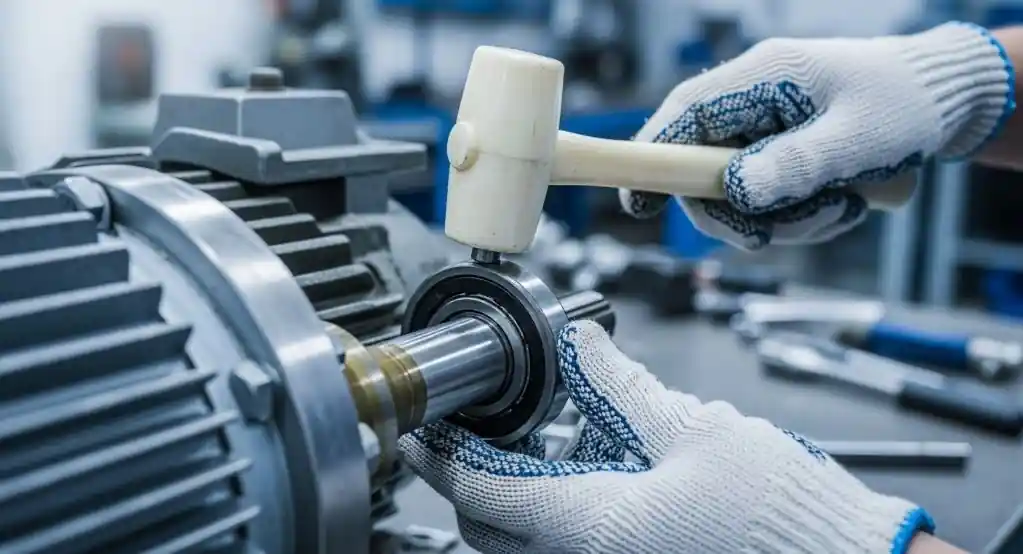
Bearings are designed to carry specific loads — both radial and axial. Overloading or uneven load distribution increases contact stress and leads to surface fatigue or deformation. Even moderate shock or vibration can shorten bearing life dramatically.
- Avoid over-tightening shafts or housings.
- Ensure correct alignment and balance of rotating parts.
- Use bearings designed for your load and speed requirements.
4. Operating Speed
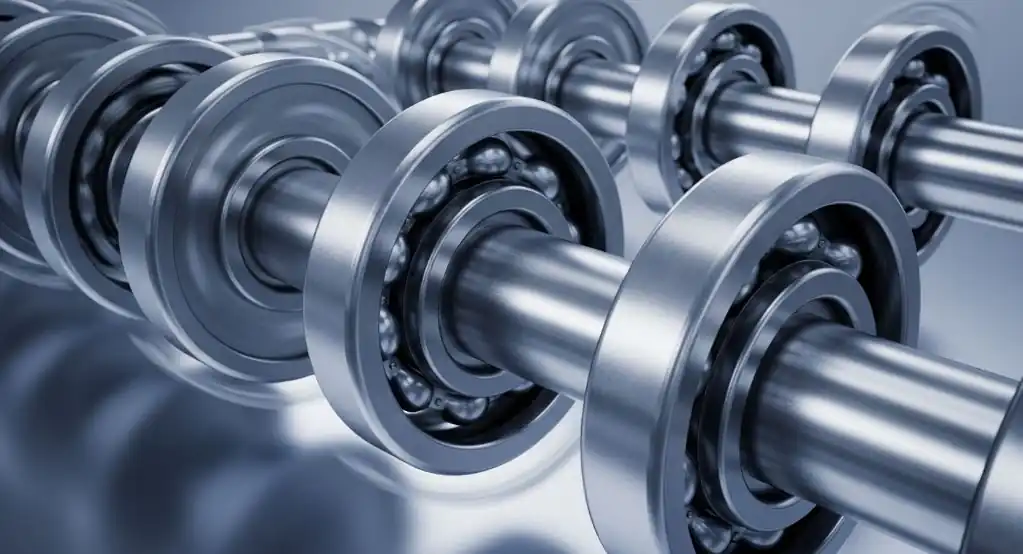
Ball bearings have a rated speed limit. Exceeding this limit increases centrifugal forces and friction, raising the operating temperature. This accelerates lubricant degradation and can cause cage deformation or seizure. For high-speed applications, use precision bearings with optimized cage designs and low-viscosity lubricants.
5. Temperature and Environmental Conditions
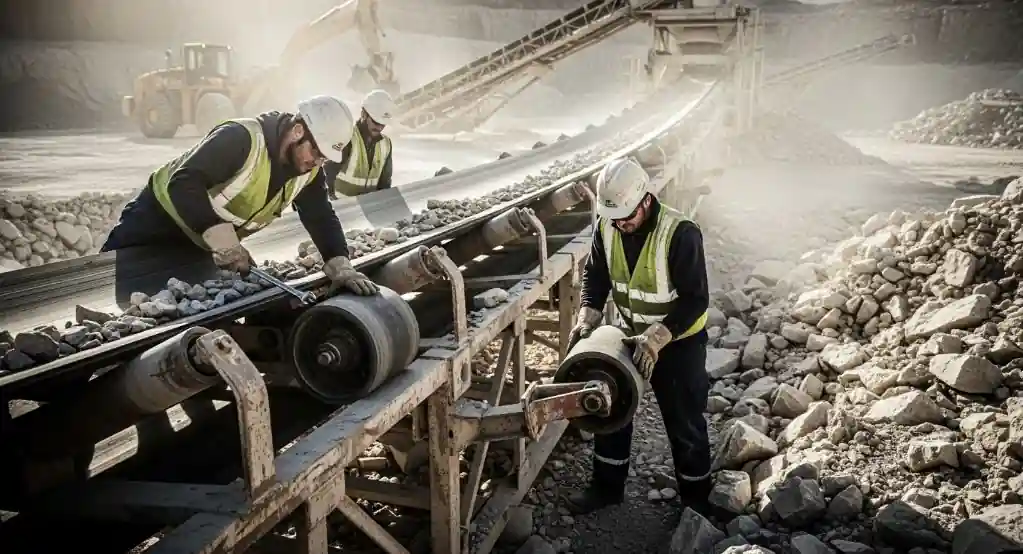
Extreme heat, cold, moisture, or chemical exposure can severely affect bearing life. High temperatures degrade lubrication and alter material hardness, while moisture leads to corrosion and pitting.
- Use sealed or shielded bearings in contaminated environments.
- Choose materials with temperature resistance such as stainless steel or ceramic.
- Maintain ideal ambient and operating temperatures whenever possible.
6. Installation and Handling
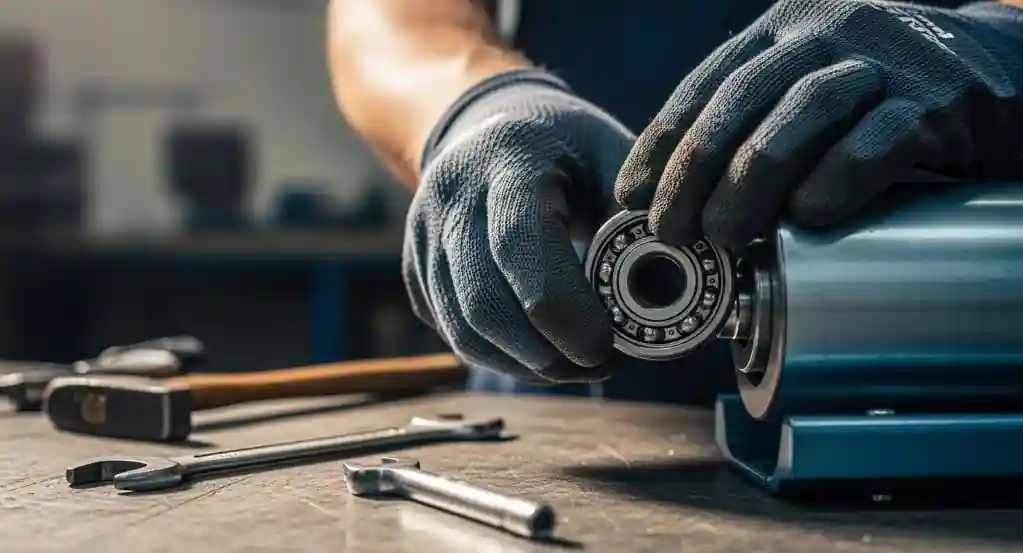
Incorrect installation is one of the most common causes of premature bearing failure. Applying excessive force, misalignment, or using improper tools can damage the raceways and rolling elements before operation even begins.
- Use proper bearing heaters or press tools for mounting.
- Align shafts and housings precisely.
- Avoid hammering bearings directly during installation.
7. Maintenance Practices
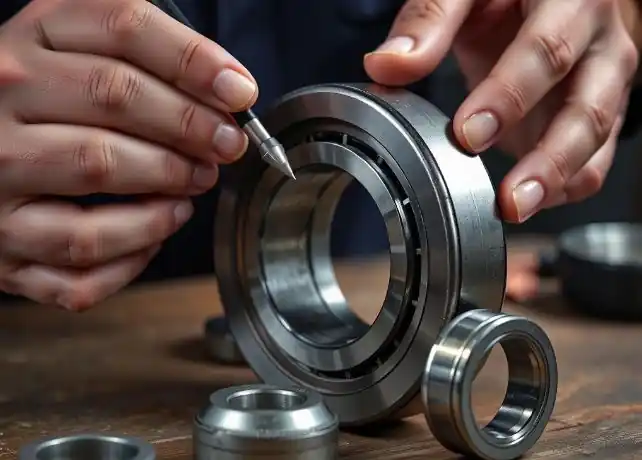
Regular inspection and predictive maintenance greatly influence bearing life. Monitoring vibration, temperature, and noise helps detect early signs of wear or lubrication breakdown. Implementing condition monitoring systems such as vibration analysis or thermography can prevent unexpected failures and extend bearing lifespan significantly.
Conclusion
Extending the lifespan of ball bearings depends on a combination of correct selection, proper lubrication, clean operation, and precise installation. By understanding and controlling these factors, operators can ensure smoother machinery performance, minimize downtime, and maximize overall productivity.