
A Complete Guide to Choosing the Right Ball Bearing
Ball bearings are critical components in countless mechanical systems, designed to minimize friction between moving parts while supporting both radial and axial loads. Selecting the correct bearing type is vital for achieving optimal performance, efficiency, and longevity. This guide explains the key design factors, material options, and technical criteria that engineers and maintenance professionals should consider when choosing the right ball bearing.
1. Understanding the Function and Design of Ball Bearings

A ball bearing consists of an inner ring, outer ring, cage, and a series of precision steel balls. These elements work together to allow smooth rotation, reduce friction, and carry loads efficiently. Bearings are widely used in electric motors, gearboxes, pumps, conveyors, and precision instruments—virtually any application where rotating motion must be both smooth and reliable.
2. Main Types of Ball Bearings
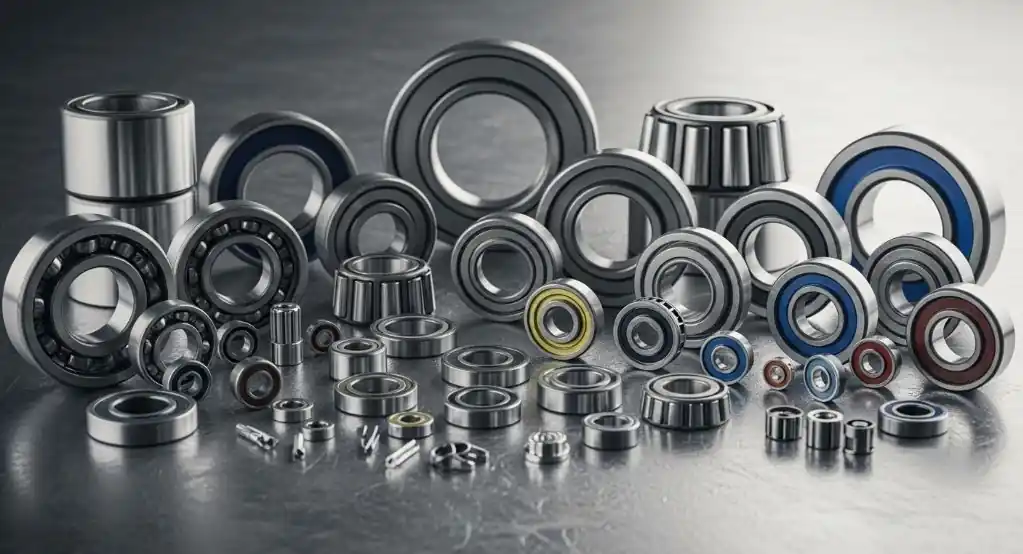
Different types of ball bearings are designed for specific load and motion requirements. Below are the most commonly used configurations:
▪ Deep Groove Ball Bearings
The most widely used bearing type. Designed for both radial and moderate axial loads, they offer low noise and high-speed capability. Commonly used in motors, pumps, and household appliances.
▪ Angular Contact Ball Bearings
Engineered to handle combined loads (both radial and axial) at high speeds. Typically used in automotive gearboxes, machine tools, and high-performance machinery.
▪ Self-Aligning Ball Bearings
Ideal for applications with possible misalignment between the shaft and housing. Frequently used in fans, agricultural equipment, and conveyors.
▪ Thrust Ball Bearings
Designed to support purely axial loads at low to medium speeds. Commonly found in turntables, gear assemblies, and low-speed shafts.
▪ Miniature and Precision Bearings
Used in compact, high-accuracy applications such as robotics, medical devices, and instrumentation where low friction and precise operation are essential.
3. Key Parameters for Bearing Selection
▪ Load Capacity
Assess both radial and axial load requirements. Heavier radial loads typically call for deep groove or spherical bearings, while axial or combined loads may require angular contact or thrust bearings.
▪ Rotational Speed
Each bearing has a maximum operating speed determined by its design and lubrication. Exceeding this limit increases heat and wear. Always consult manufacturer speed ratings.
▪ Precision and Tolerance Class
Bearings are classified according to ABEC, ISO, or JIS standards. High-precision bearings (ABEC 5 or ISO P5) ensure low vibration and excellent rotational accuracy.
▪ Environment and Contamination
Temperature, humidity, and dust affect bearing performance. Stainless steel or ceramic bearings are best for corrosive or high-temperature environments, while sealed bearings protect against contamination in dusty conditions.
▪ Lubrication
Proper lubrication reduces wear and friction. Grease is suitable for general-purpose use, while oil provides superior cooling at high speeds. Follow manufacturer recommendations for lubrication intervals.
▪ Material Composition
Common bearing materials include chrome steel (AISI 52100), stainless steel (AISI 440C), and ceramic hybrids. Each offers different levels of hardness, corrosion resistance, and speed capability.
▪ Mounting and Fit
Incorrect fitting or misalignment can drastically reduce bearing lifespan. Use correct shaft and housing tolerances and proper installation tools.
4. Common Causes of Bearing Failure
Even the best bearings can fail prematurely if improperly applied. The most frequent causes include contamination, insufficient lubrication, excessive load, poor alignment, and vibration. Implementing regular inspections and predictive maintenance can greatly extend bearing life.
5. Understanding Bearing Designations
Each bearing has a standardized alphanumeric code that defines its type, size, and configuration. Example: 6204ZZ
- 6 – Type (deep groove ball bearing)
- 2 – Series (light duty)
- 04 – Bore diameter (20 mm)
- ZZ – Shielded on both sides
6. Supplier Selection and Quality Standards
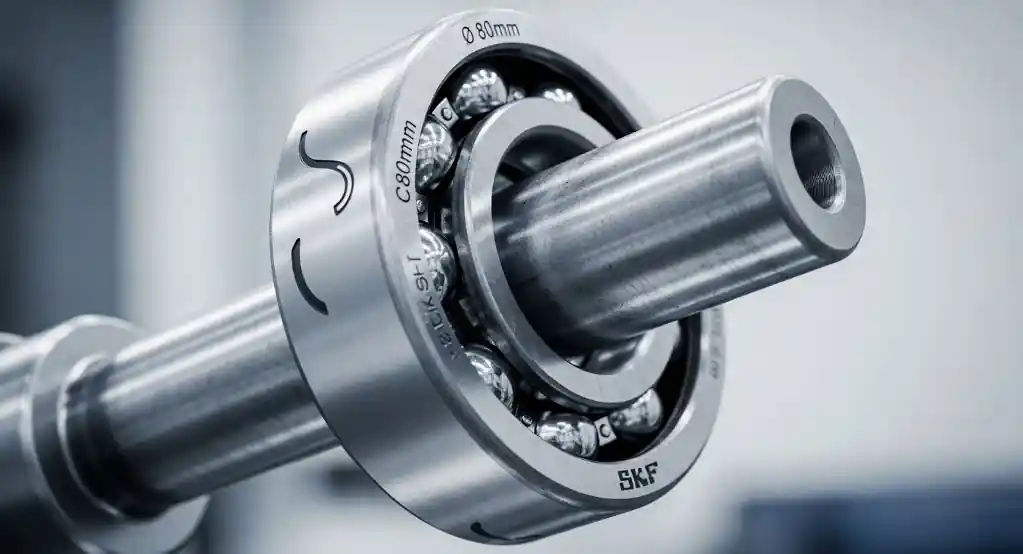
Always source bearings from authorized distributors or certified manufacturers. Verify compliance with ISO 9001 or TS 16949 quality standards. Authentic bearings ensure reliability and long-term performance, while counterfeit products can lead to costly breakdowns.
7. Key Considerations at a Glance
| Selection Factor | Engineering Impact |
|---|---|
| Load and Direction | Determines bearing type and geometry |
| Speed Rating | Affects lubrication and cage design |
| Material | Influences corrosion resistance and durability |
| Precision Class | Determines vibration and rotational accuracy |
| Lubrication | Extends lifespan and reduces friction |
| Mounting | Prevents misalignment and uneven load distribution |
Conclusion
Selecting the right ball bearing requires balancing load, speed, material, and environmental factors. A well-chosen bearing enhances system performance and reduces maintenance costs. Doraroll provides a wide range of precision bearings designed for durability and long service life across industrial applications.