
Types of Ball Bearings: A Complete Guide
Ball bearings are fundamental mechanical components that reduce friction and support loads between rotating parts. Their design, materials, and internal geometry determine performance characteristics such as load capacity, speed limits, stiffness, and service life. This guide covers the principal types of ball bearings, technical differences, selection criteria, lubrication and mounting best practices, maintenance tips, and a practical FAQ for engineers and maintenance personnel.
Deep Groove Ball Bearings — Versatile All-Rounders
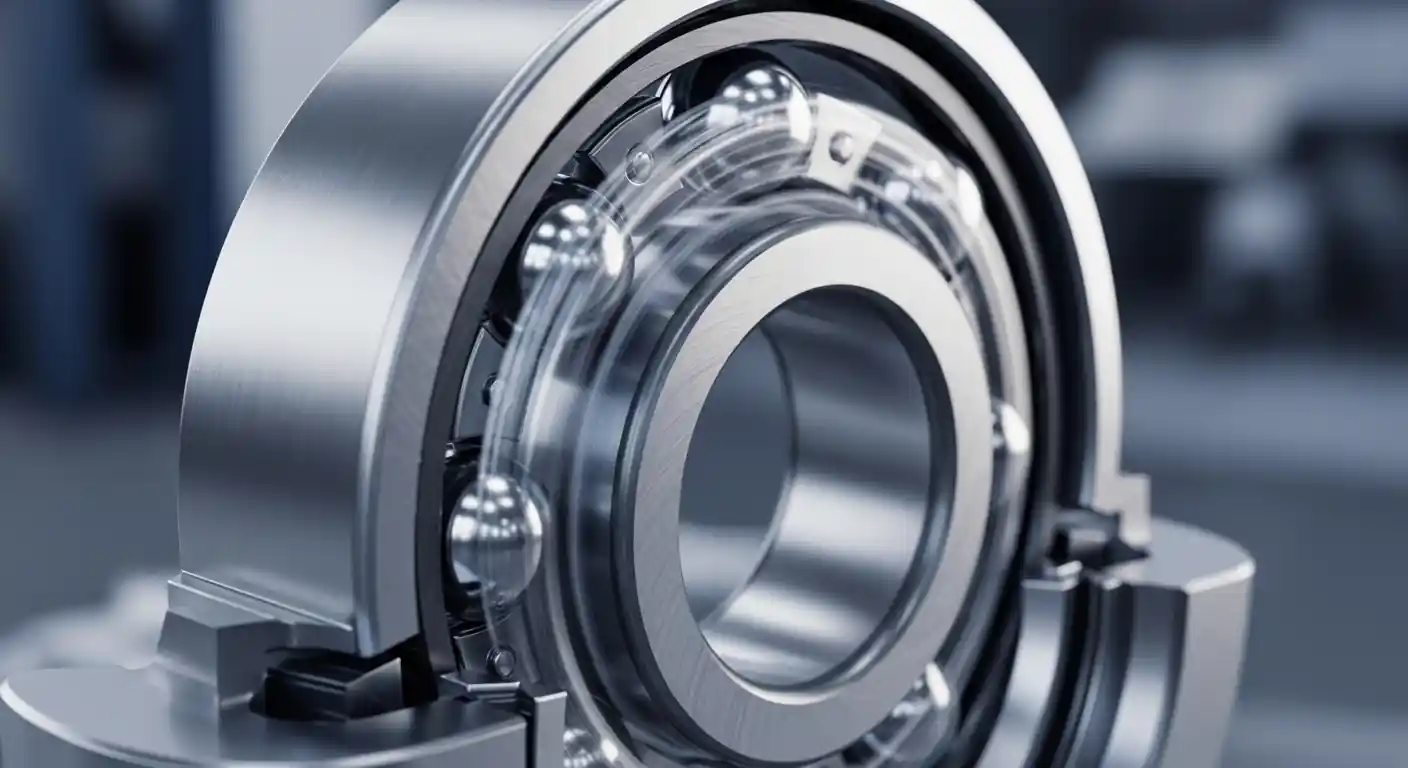
Deep groove ball bearings are the most widely used bearing type due to their simple design and broad performance range. A deep, uninterrupted raceway allows the balls to make line contact under radial load and limited axial load in both directions. They are available in single-row and double-row configurations and can be sealed or shielded to retain lubricant and exclude contaminants.
Technical notes: selection typically considers bore size, dynamic load rating (Cr), static load rating (C0r), limiting speed, and internal clearances (C2, C0, C3, etc.). For high-speed electric motors, low friction seals (2RS) and precision grades (PN/ABEC equivalents) are common. Material choices range from standard bearing steel (AISI 52100) to stainless variants for corrosive environments.
Applications: general industrial machinery, electric motors, household appliances, gearbox idlers, and conveyor idlers.
Angular Contact Ball Bearings — Precision Under Combined Loads
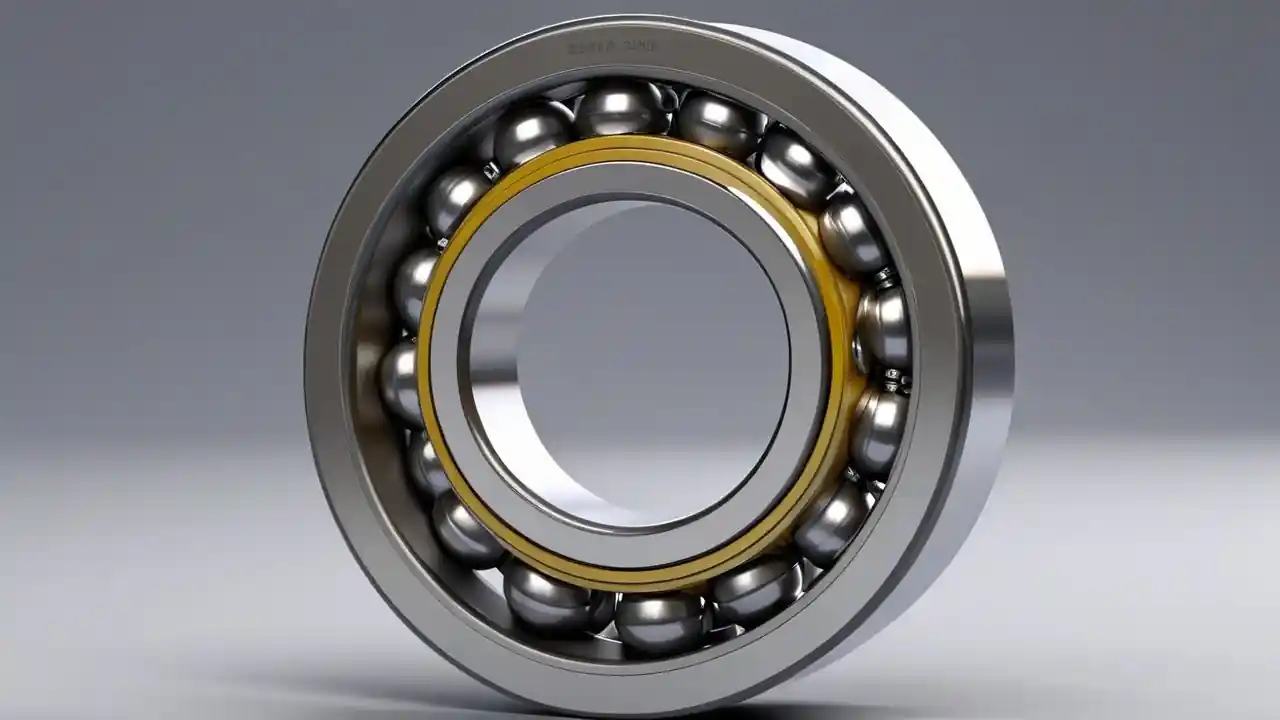
Angular contact bearings are engineered to support combined (radial + axial) loads. The load is transmitted at an angle between the race and the ball, defined as the contact angle (15°, 25°, 40° being common). Larger angles increase axial load capacity but reduce maximum permissible speed. They are often used in pairs or sets (back-to-back, face-to-face, or tandem) to control preload and axial rigidity.
Design considerations: preloading is a common practice to eliminate internal clearance, increase stiffness, and improve positional accuracy in spindles and precision mechanisms. Careful matching of bearing geometry and preload value is critical — excessive preload increases friction and temperature; insufficient preload reduces stiffness and may cause axial displacement under load.
Applications: spindle supports in machine tools, pumps, turbines, high-precision gearboxes, and aerospace actuators.
Self-Aligning Ball Bearings — Tolerant to Misalignment
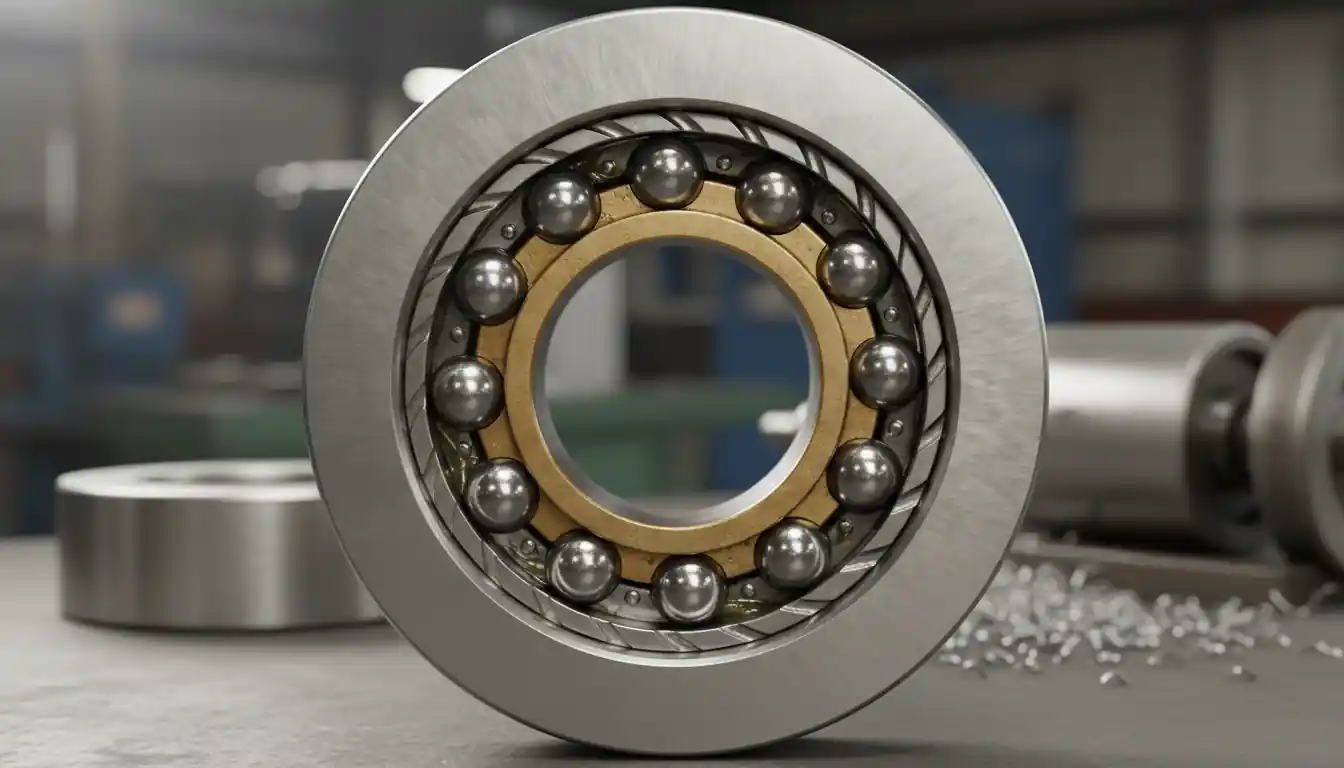
Self-aligning ball bearings have two rows of balls and a common concave spherical outer raceway. This geometry allows the inner ring to tilt relative to the outer ring, accommodating angular misalignment between shaft and housing without significant increase in stress or friction. They are ideal where deflection or installation tolerances are an issue.
Limitations: while excellent for misalignment, these bearings have reduced load capacity compared to similar-sized deep groove bearings and are not ideal for high axial loads. They also tend to generate slightly higher heat at high speeds due to the added rolling element rows.
Applications: textile machinery, agricultural equipment, conveyors, and long shafts where alignment can vary under load or temperature changes.
Thrust Ball Bearings — Axial Load Specialists
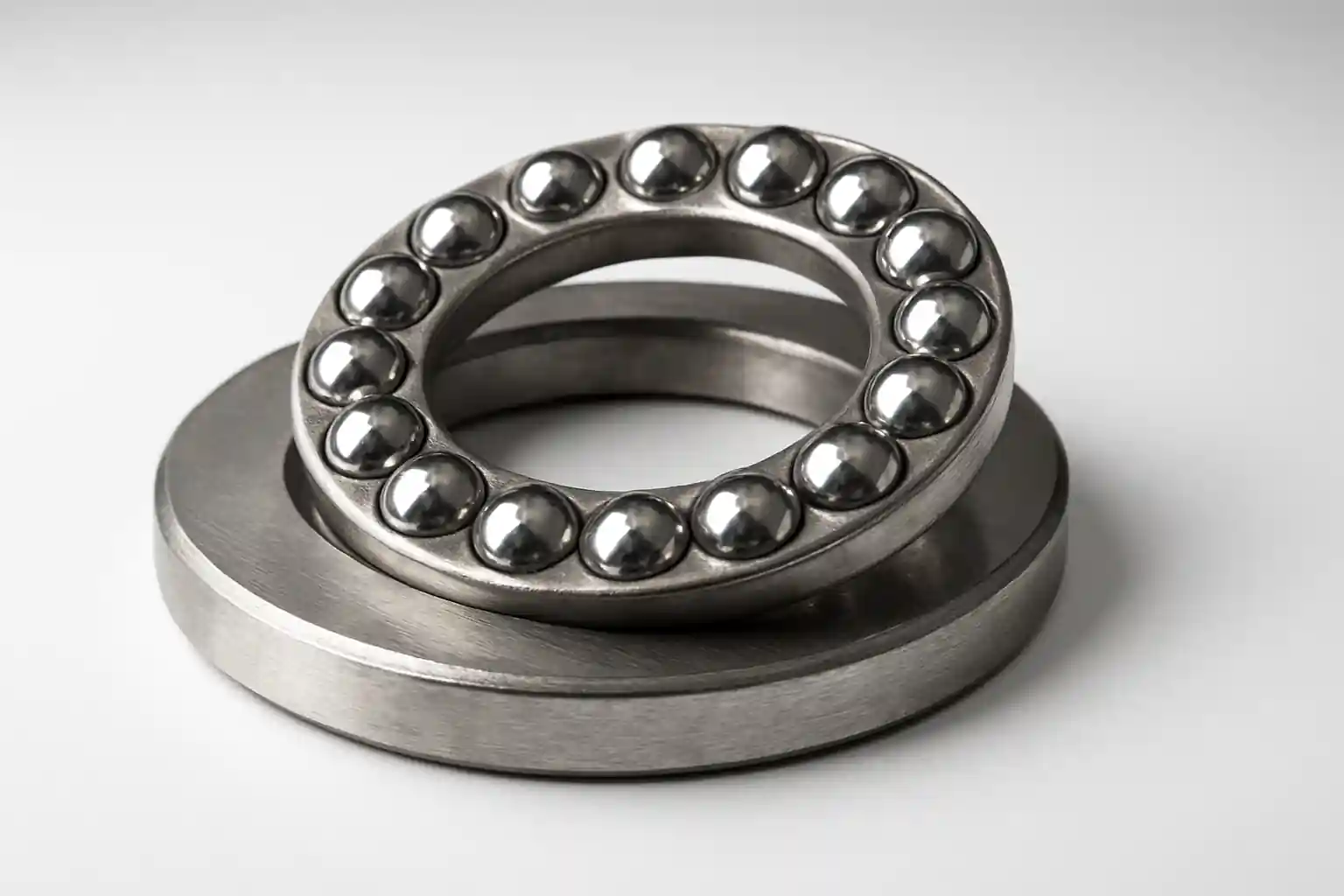
Thrust ball bearings are specifically designed to take axial loads along the shaft axis and are typically available in single-direction and double-direction designs. They comprise two washers (raceways) and a ball set contained in a cage. Because their line of action is parallel to the axis, they are effective in axial-only applications but cannot sustain radial loads.
Operating notes: these bearings are commonly used at low to moderate speeds. They require accurate seating surfaces and are sensitive to misalignment; improper mounting or shaft deflection can create high localized stresses leading to premature failure.
Applications: automotive steering columns, thrust faces in machine tools, vertical pump shafts, and clutches.
Miniature, Hybrid, and Specialty Ball Bearings
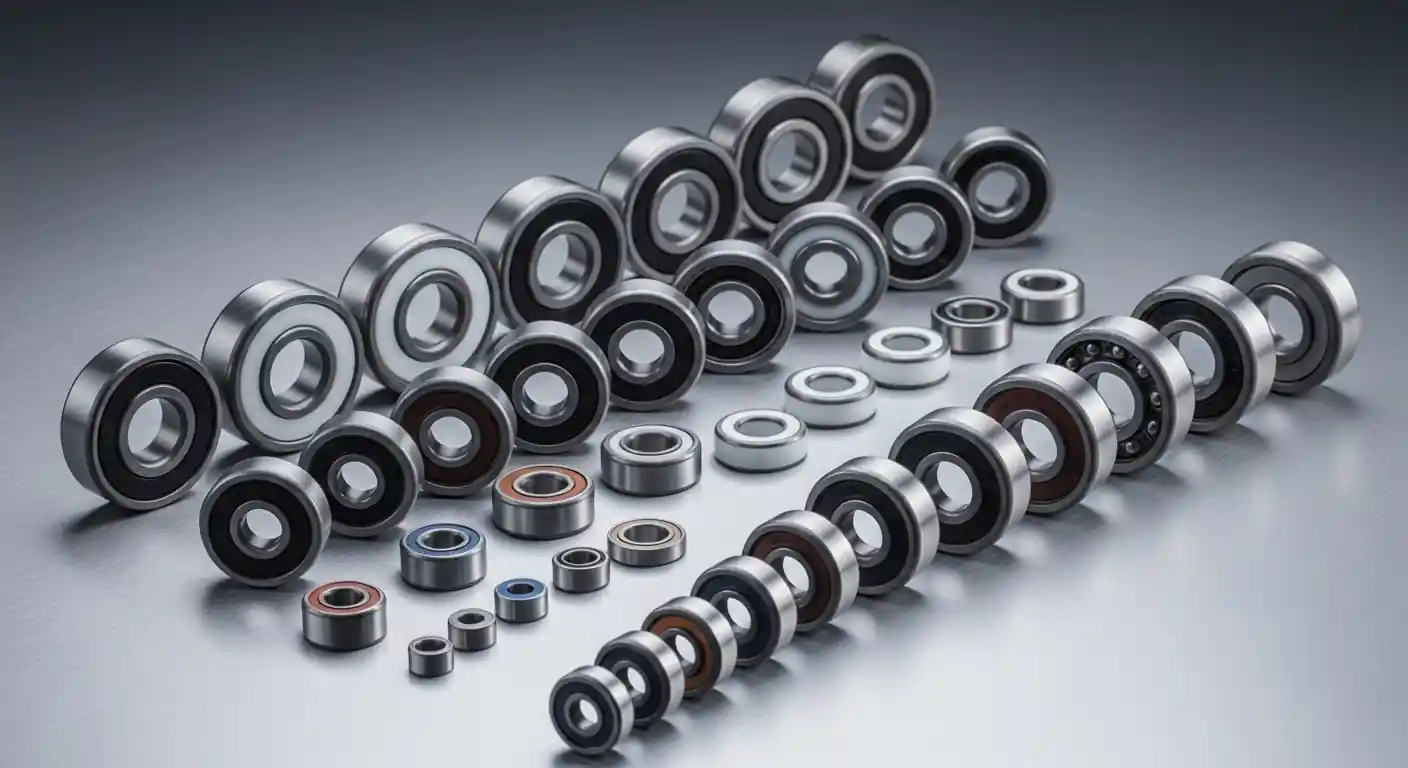
Miniature ball bearings (bores under 10 mm) are used where space is limited but precision and speed are critical. Hybrid bearings combine ceramic rolling elements (e.g., silicon nitride) with steel rings to gain benefits: lower mass, higher limiting speed, better corrosion resistance, and reduced electrical conductivity. Specialty bearings include high-temperature designs, stainless-steel for corrosive environments, and ceramic full-ceramic bearings for extreme conditions.
Material notes: ceramics offer reduced thermal expansion and higher hardness, improving fatigue life at high speeds and temperatures. Stainless and coated steels are selected for food, pharmaceutical, and marine environments where corrosion resistance is required.
Applications: dental and medical devices, robotics, aerospace actuators, vacuum and clean-room equipment, and high-speed spindles.
How to Select the Right Ball Bearing — A Practical Checklist
Selecting the correct bearing requires balancing mechanical requirements, environmental constraints, and lifecycle considerations. Below is a practical checklist engineers use to narrow choices rapidly:
- Load type & magnitude: define radial vs axial proportion and peak shock loads. Use dynamic (Cr) and static (C0r) ratings to size bearings.
- Speed: determine operational RPM and compare to bearing limiting speed; consider lubrication and cage design for high-speed applications.
- Accuracy & stiffness: precision classes and preloading impact runout, stiffness, and vibration behavior.
- Environment: temperature range, moisture, contaminants, and corrosive agents dictate material and seal choice.
- Mounting space: bore, outside diameter, width restrictions and housing features affect selection.
- Maintenance strategy: sealed-for-life vs relubricatable bearings depend on serviceability and expected life.
Lubrication, Seals, and Mounting Best Practices
Lubrication is critical for bearing life and performance. Grease is commonly used for general applications and provides sealing advantages; oil lubrication is chosen for high-speed or high-heat systems for better heat removal. Select grease base oil viscosity appropriate to operating temperature and speed, and ensure compatibility with seals and cage materials.
Seals (2RS, 2Z) reduce contamination ingress and lubricant loss. Metal shields (Z) provide light exclusion and lower friction; elastomer seals (RS) give better protection but increase running torque. Choose seals considering operating temperature and environmental exposure.
Mounting is also vital: use controlled interference fits for inner rings on shafts and light press fits for housings. Excessive interference or improper heating/cooling during mounting can induce stress. Use calibrated tools, parallelism checks, and torque specifications for retaining nuts and lock washers. Always avoid hammering a bearing onto a shaft — use sleeves, arbors, or induction heating when needed.
Maintenance and Troubleshooting
Regular inspection and predictive maintenance extend bearing life. Monitor vibration signatures, operating temperature, and lubricant condition (particle counts, viscosity). Common failure modes include lubrication degradation, contamination, misalignment, electrical pitting (from stray currents), and fatigue from overloading.
When diagnosing: check mounting fits, look for brinelling or false brinelling marks, inspect seals for tears, and analyze debris for wear particles (steel, ceramic, lubricant breakdown). Replace bearings in matched pairs where required to avoid imbalance and altered load distribution.
FAQ — Quick Answers for Engineers
Q: How do I know if I need angular contact bearings?
Angular contact bearings are appropriate when your application sees significant axial forces in addition to radial loads and where stiffness/precision is required, such as spindle assemblies. If axial loads are low or bidirectional but precision is not critical, deep groove bearings may suffice.
Q: Can I mix stainless and steel bearings in the same machine?
Mixing materials is possible but not recommended for bearings sharing shafts or housings subject to the same thermal and corrosive conditions, because different thermal expansion and corrosion behaviors can affect preload and clearances.
Q: When should I use hybrid ceramic bearings?
Use hybrid bearings when you need higher limiting speeds, lower thermal growth, electrical insulation, or longer life in poorly lubricated conditions. They are also beneficial in environments with vibration-induced stresses due to lower mass of the rolling elements.
Q: What clearance class should I pick for high-temperature applications?
High temperatures typically require increased internal clearance (e.g., C3 or larger) to accommodate thermal expansion. Consult the bearing manufacturer’s temperature compensation charts and consider material coefficients of expansion for shaft and housing.