
Factors Affecting the Lifespan of Bearing Housings
Bearing housings are essential components that support and protect bearings in rotating machinery. Their design and condition directly impact the overall performance, reliability, and longevity of industrial systems. Understanding the main factors that influence the lifespan of bearing housings helps engineers minimize downtime, improve safety, and extend service intervals.
1. Material Quality and Manufacturing Precision
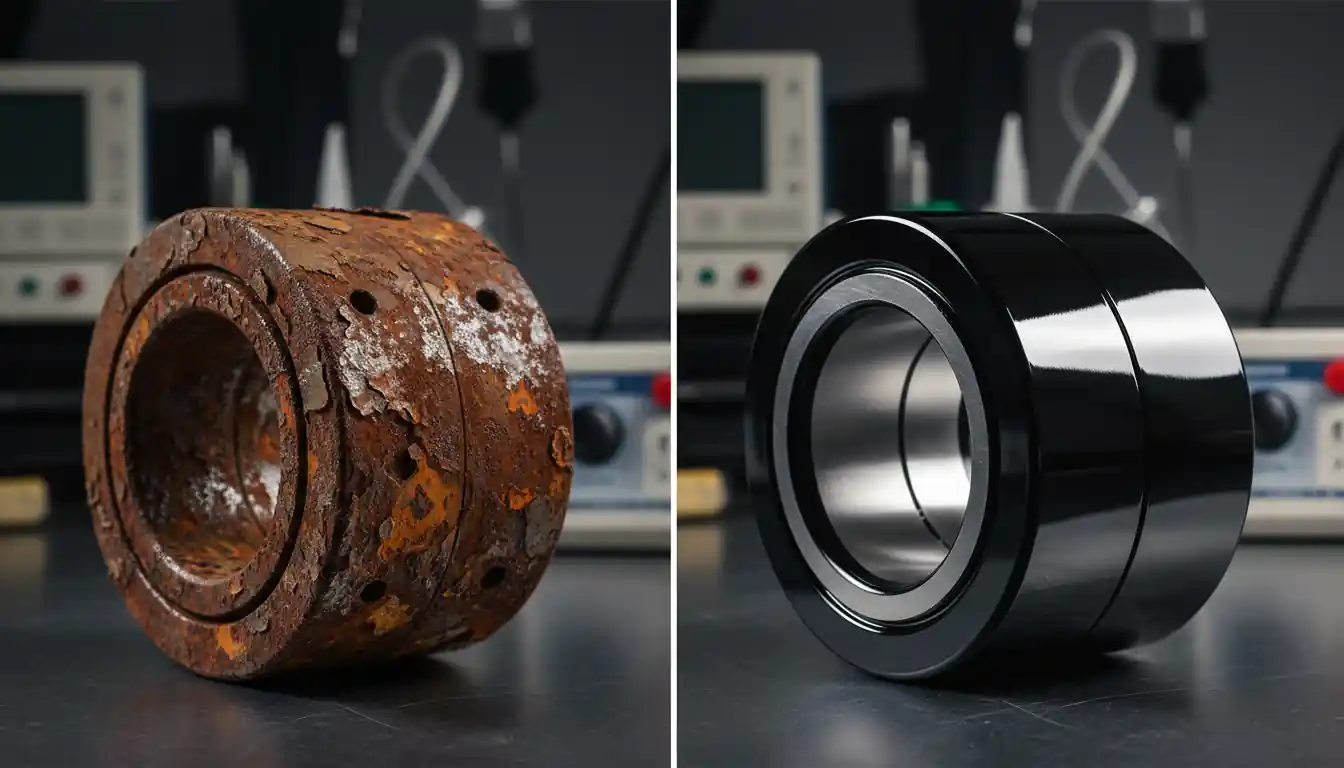
The foundation of a durable bearing housing lies in its material composition and manufacturing accuracy. Cast iron, ductile iron, steel, and aluminum alloys are commonly used materials, each offering specific advantages in strength, thermal stability, and corrosion resistance.
- Inferior casting or machining can cause internal stress and early cracking.
- High-precision manufacturing ensures uniform load distribution across the bearing.
- Surface finishing and coating quality greatly influence corrosion resistance.
Using housings manufactured under strict quality control standards ensures reliability and reduces the risk of premature failure.
2. Load Conditions and Stress Distribution
Bearing housings are designed to handle both radial and axial forces. Excessive or uneven loading can accelerate fatigue and deformation.
- Overloading leads to microcracks and eventual housing failure.
- Vibration and shock loads cause material fatigue and loosening of fasteners.
- Misalignment introduces uneven stress on the bearing seat.
Proper load analysis, alignment, and periodic inspection are vital to maintain mechanical balance and prolong service life.
3. Lubrication and Thermal Control
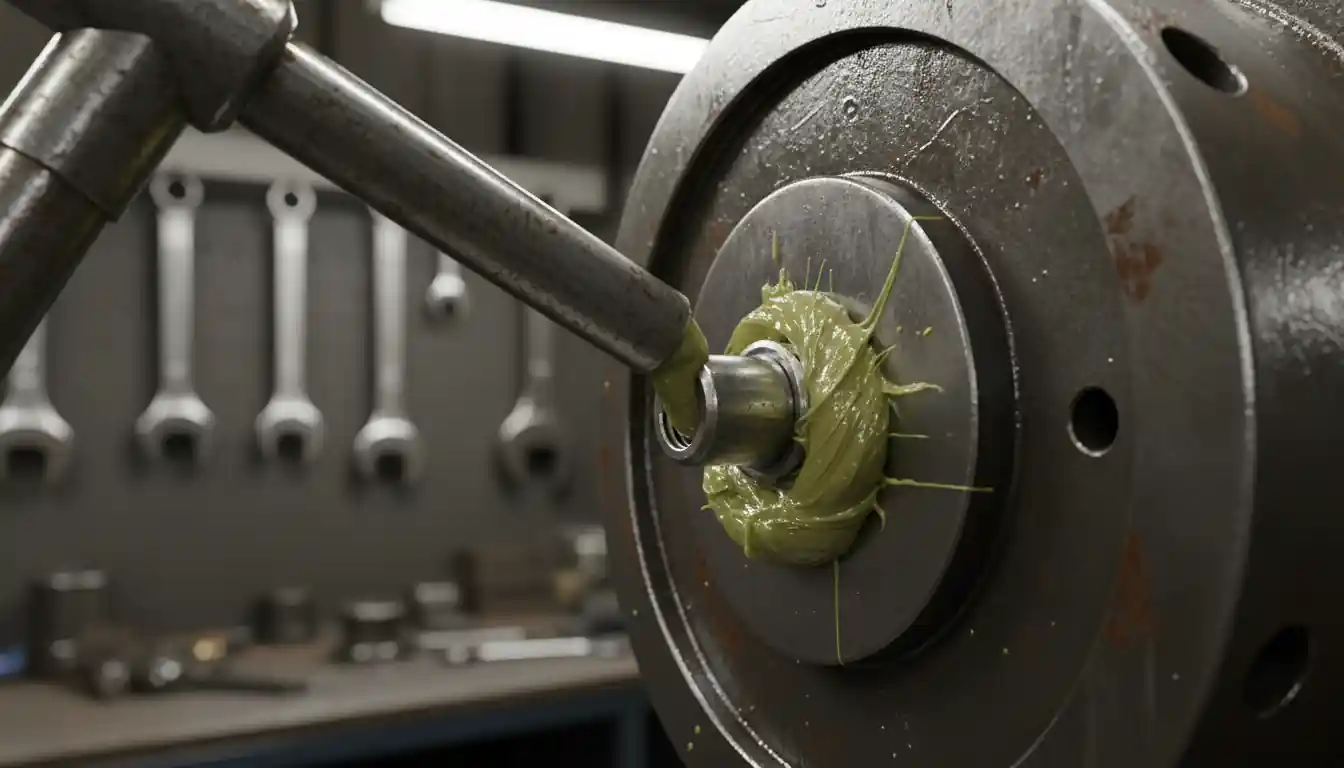
Proper lubrication reduces friction, limits temperature rise, and protects against wear and corrosion. Both insufficient and excessive lubrication can shorten bearing housing life.
- Under-lubrication increases friction and causes overheating.
- Over-lubrication can damage seals and attract contaminants.
- Use lubricants suited to the operating environment and temperature range.
Implementing scheduled or automatic lubrication systems ensures consistent performance and longer operational life.
4. Environmental Factors
The surrounding environment has a major influence on bearing housing durability. Contaminants, moisture, and temperature extremes can compromise the housing material and seals.
- Dust and debris lead to abrasion and seal failure.
- Humidity and chemicals accelerate corrosion and surface degradation.
- Extreme temperatures affect both material properties and lubrication efficiency.
Protective coatings, sealed housings, and proper shielding help minimize environmental damage.
5. Installation Accuracy and Alignment
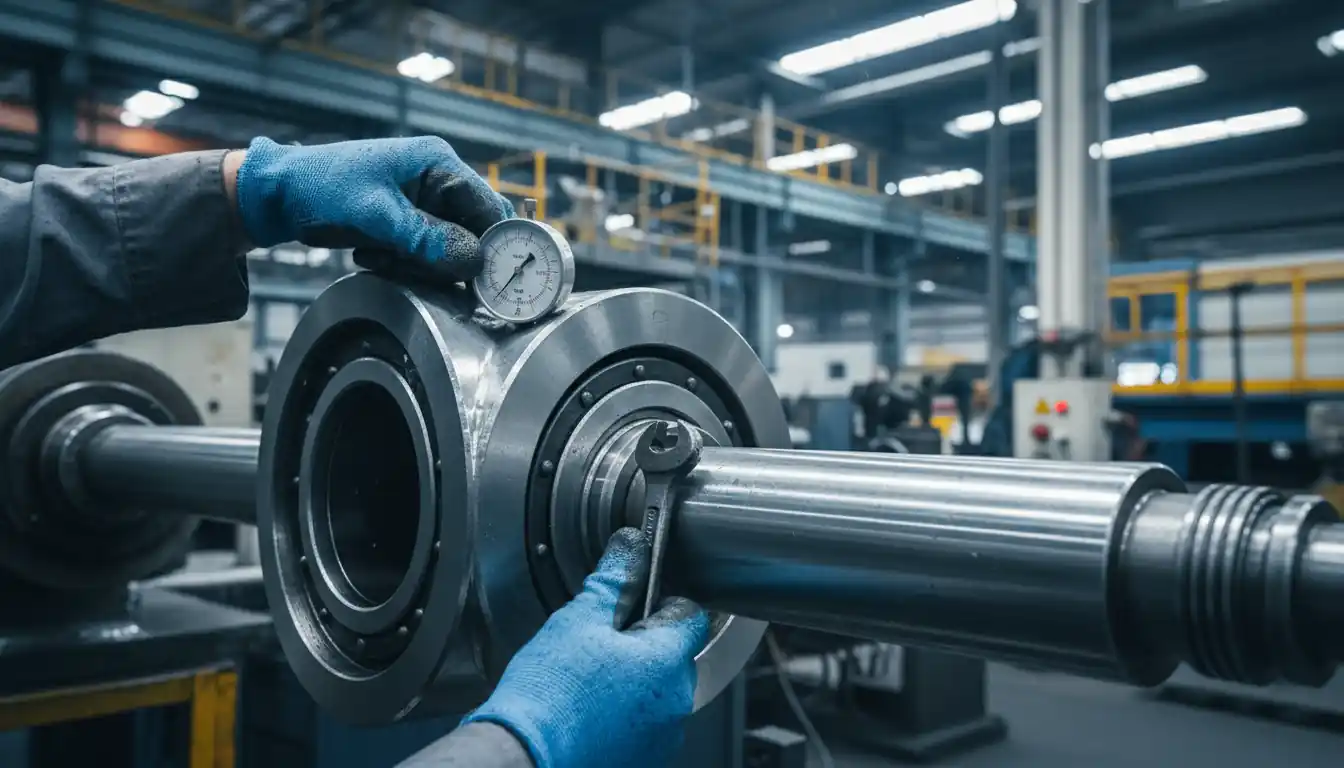
Incorrect installation is one of the most common causes of premature bearing housing failure. Misalignment or uneven bolt tightening can distort the housing and reduce bearing life.
- Ensure clean mounting surfaces and correct bolt torque.
- Use precision alignment tools to achieve proper shaft positioning.
- Follow manufacturer installation procedures closely.
Proper installation improves load balance, vibration resistance, and operational stability.
6. Maintenance and Inspection
Routine maintenance and condition monitoring are essential to prevent unexpected failures.
- Inspect for cracks, corrosion, or surface damage regularly.
- Monitor operating temperatures and vibrations to detect early issues.
- Implement predictive maintenance using sensors and data analysis tools.
A proactive maintenance strategy significantly extends housing lifespan and reduces operational costs.
7. Corrosion and Chemical Resistance
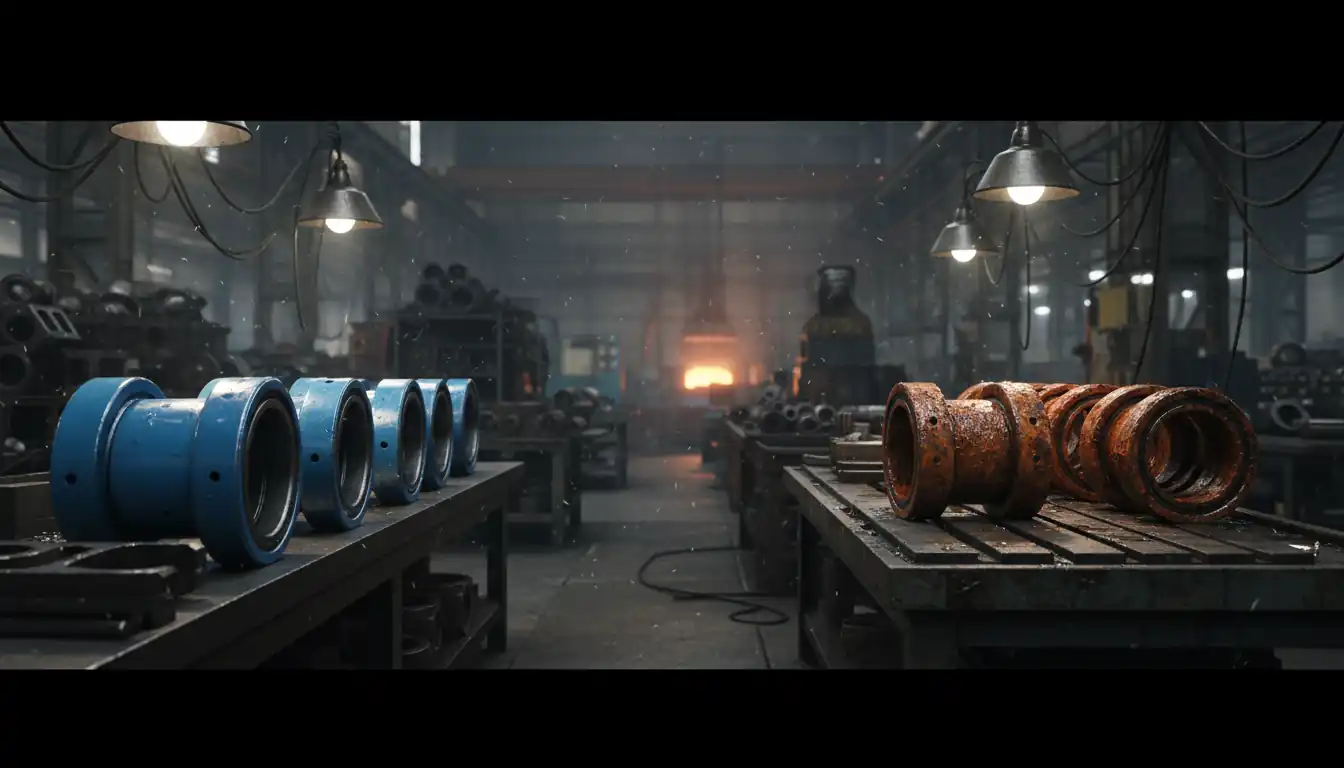
In harsh environments, corrosion is a major factor that shortens housing life. Choosing the right material and protective finish can dramatically improve longevity.
- Use stainless steel or epoxy-coated housings in corrosive conditions.
- Apply anti-corrosion lubricants where chemical exposure is likely.
- Regularly clean and recoat exposed components.
Conclusion
The service life of a bearing housing depends on several interrelated factors: material quality, load control, lubrication, installation accuracy, and environmental conditions. By following proper maintenance practices and using high-quality components, industries can maximize bearing reliability and reduce costly equipment downtime. Doraroll offers a full range of precision-engineered bearing housings designed to meet the toughest industrial demands.