
A Complete Guide to Choosing the Right Bearing Housing
Choosing the right bearing housing is crucial for ensuring machine reliability, performance, and bearing longevity. A proper housing not only supports the bearing but also maintains alignment, protects against contaminants, and facilitates maintenance. This complete guide covers types, materials, selection factors, and best practices for bearing housing selection and care.
1. What Is a Bearing Housing?
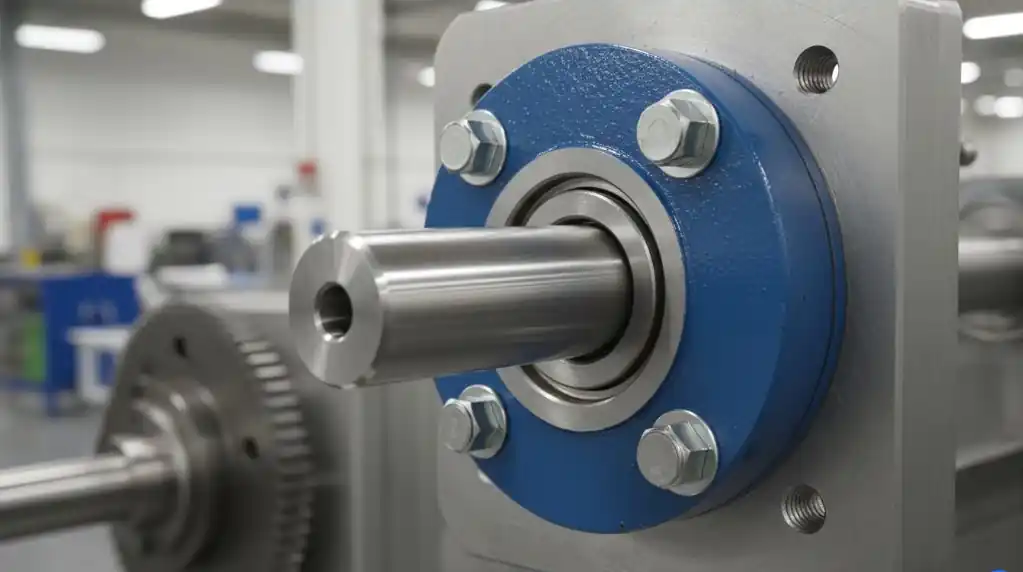
A bearing housing—also known as a bearing unit or pedestal—is a mechanical component that holds and protects a bearing in place while ensuring stable alignment. It supports radial and axial loads, helps dissipate heat, and shields the bearing from dust, vibration, and moisture. Properly designed housings are essential for extending bearing life and ensuring smooth operation.
2. Common Types of Bearing Housings
Bearing housings come in several designs to accommodate different installation methods and load requirements. Below are the most widely used types:
▪ Plummer Block (Split Pillow Block)
This popular housing type consists of a split base and cap, allowing for easy bearing inspection and replacement. It’s ideal for heavy-duty applications such as conveyors, mining, and industrial machinery.
▪ Flanged Bearing Housing
Mounted on walls or frames, flanged housings are compact and suitable for moderate loads. Available in two-, three-, or four-bolt configurations, they are common in fans, pumps, and small machinery.
▪ Take-Up Units
Designed for applications requiring adjustable shaft positioning, take-up housings allow for easy tensioning of belts and chains. Commonly used in conveyors and packaging equipment.
▪ Cartridge and Hanger Units
Compact housings used in light- to medium-duty equipment, such as agricultural and HVAC systems. They provide flexible mounting and easy replacement.
▪ Custom Housings
For demanding environments, custom-engineered housings can include advanced sealing, corrosion-resistant coatings, or built-in sensors for real-time condition monitoring.
3. Bearing Housing Materials
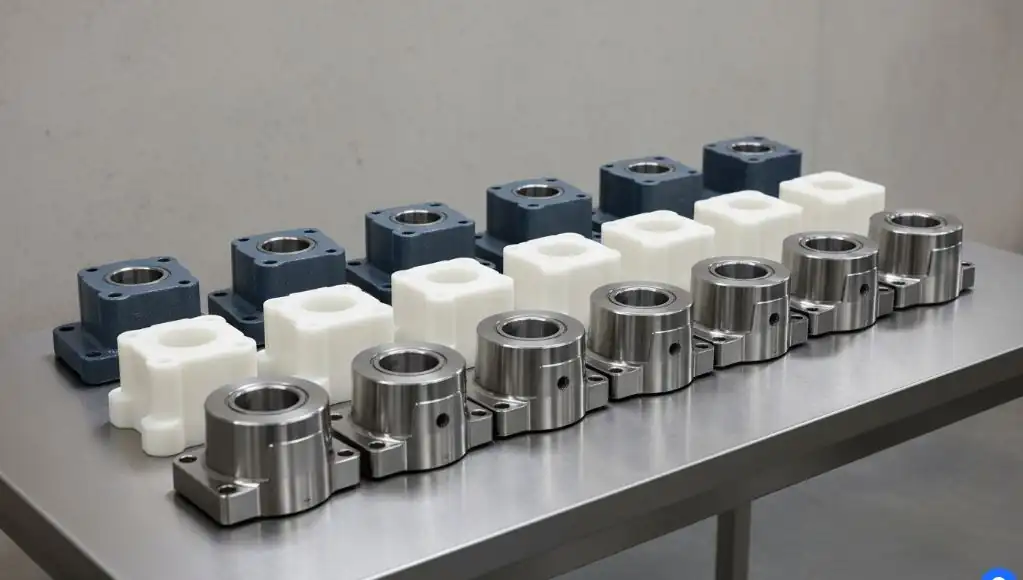
The housing material determines its strength, corrosion resistance, and vibration absorption. Choosing the correct material ensures durability under different operating conditions:
- Cast Iron: Most common and economical, with excellent rigidity and damping properties.
- Steel: High strength for heavy-load or impact environments.
- Ductile Iron: Combines toughness and flexibility, ideal for dynamic loads.
- Stainless Steel: Resists corrosion in wet or chemical environments, perfect for food and marine applications.
- Thermoplastic: Lightweight and rustproof, suitable for clean or corrosive conditions.
4. Factors to Consider When Choosing a Bearing Housing
▪ Load Capacity and Speed
Select a housing that can support both radial and axial loads without distortion. For high-speed applications, use precision-machined housings with enhanced heat dissipation.
▪ Shaft Alignment and Fit
Proper alignment is critical. Misalignment leads to vibration, friction, and early bearing failure. Self-aligning housings are recommended for flexible shafts or installations with slight misalignment.
▪ Environmental Conditions
Consider exposure to moisture, dust, or chemicals. Stainless or coated housings perform best in corrosive or outdoor environments.
▪ Sealing and Lubrication
A good sealing system prevents contaminants from entering and retains lubrication. Choose housings with grease fittings or automatic lubrication ports to simplify maintenance.
▪ Installation and Maintenance Access
Easy installation and serviceability can save significant time and cost. Split housings simplify bearing replacement and inspection.
▪ Cost and Standardization
Balance performance requirements with budget. Using standardized housing sizes ensures availability of spare parts and compatibility across systems.
5. Installation and Maintenance Tips
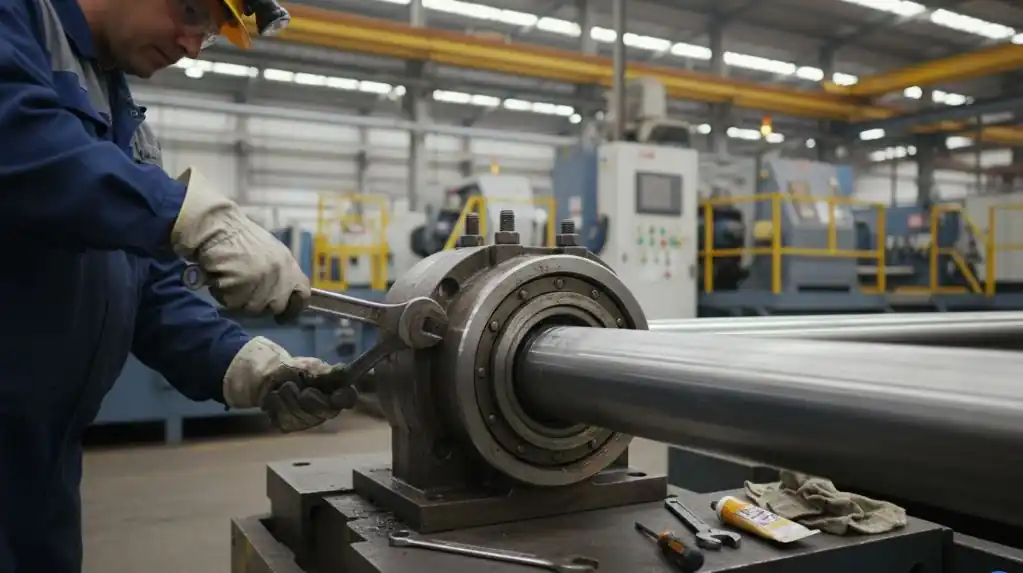
Even the best bearing housings can fail if improperly installed. Follow these best practices:
- Align the shaft and housing precisely before tightening bolts.
- Clean all parts and apply recommended lubrication.
- Use correct torque settings to prevent distortion.
- Inspect seals regularly and replace when worn.
- Monitor vibration and temperature for early fault detection.
6. Typical Applications
Bearing housings are used across a wide range of industries, including:
- Conveyor systems and belt drives
- Pumps, compressors, and fans
- Agricultural and food processing machinery
- Gearboxes and power transmission systems
- Mining, steel, and cement industries
- HVAC and ventilation units
7. Conclusion
Selecting the right bearing housing is essential for achieving maximum reliability and performance in rotating equipment. By evaluating load capacity, material, sealing, and environmental factors, engineers can significantly extend bearing life and minimize downtime. Doraroll offers a complete range of bearing housings engineered for durability, precision, and ease of maintenance across industrial applications.