
Understanding Conveyor Systems: Types, Applications, and Benefits
In modern industries, conveyor systems play a crucial role in optimizing production efficiency, improving safety, and reducing operational costs. A conveyor is a mechanical system designed to transport materials, goods, or components from one point to another. Whether in manufacturing, packaging, mining, or logistics, conveyors have become the backbone of automated material handling solutions.
What Is a Conveyor System?
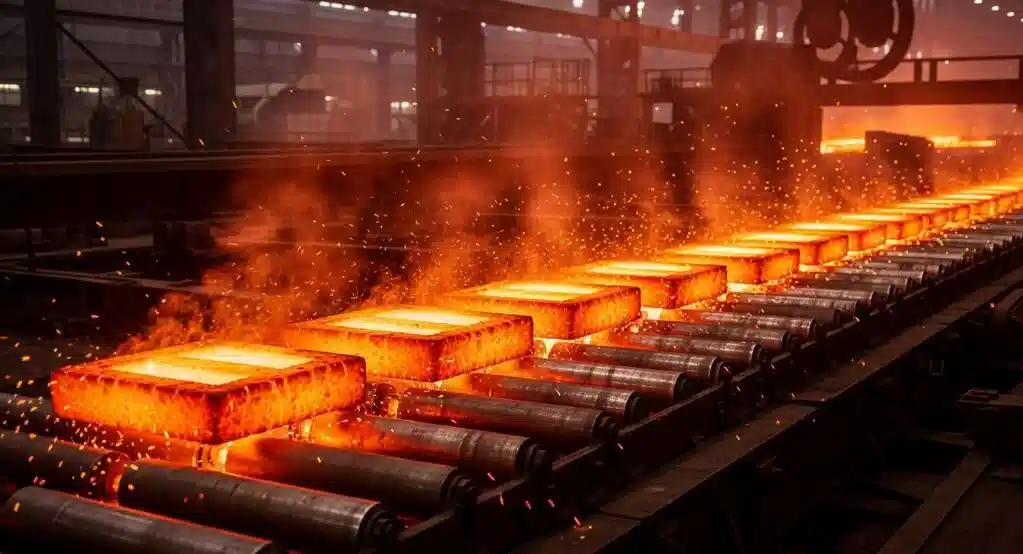
A conveyor system is an integrated mechanism consisting of belts, rollers, chains, or other moving components that carry items across a defined path. Conveyors can operate horizontally, vertically, or at an incline, depending on the production layout. Their main purpose is to eliminate manual handling, reduce labor intensity, and maintain continuous material flow.
Key Components of a Conveyor System
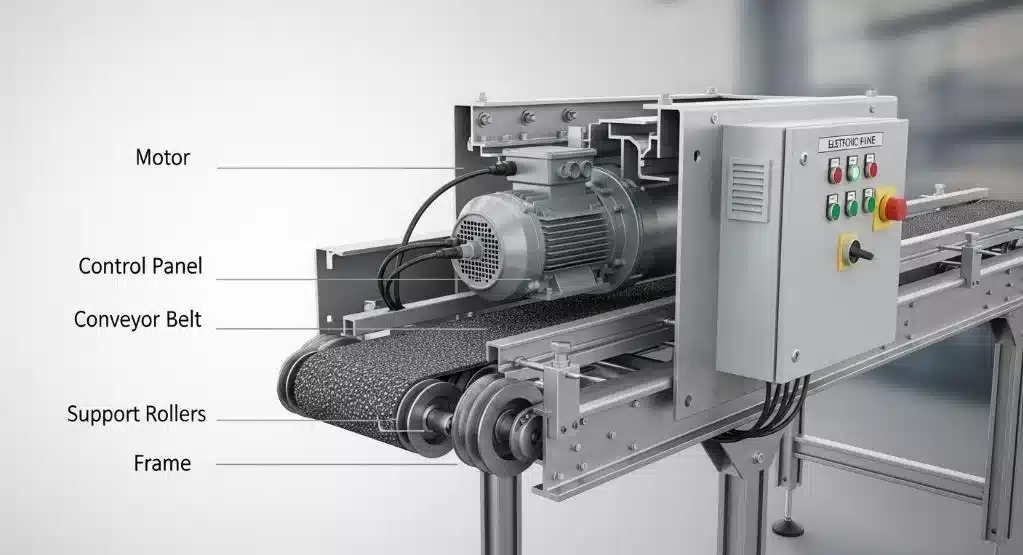
A typical conveyor includes the following parts:
- Frame or structure: Provides the base and support for the entire system.
- Motor and drive unit: Powers the belt, chain, or rollers.
- Belt or chain: The surface that moves materials along the system.
- Rollers or pulleys: Guide and support the belt’s movement.
- Control system: Manages speed, direction, and automation features.
Main Types of Conveyor Systems
1. Belt Conveyors
The belt conveyor is the most widely used type. It consists of a continuous belt made from rubber, fabric, or metal that moves between pulleys. Belt conveyors are ideal for transporting light to heavy materials over long distances. They are widely used in mining, food processing, packaging, and warehousing industries.
2. Roller Conveyors
Roller conveyors use a series of rollers mounted on a frame to move goods by gravity or motor power. They are ideal for handling solid items such as boxes, pallets, or crates. Roller conveyors are common in distribution centers and assembly lines.
3. Chain Conveyors
In chain conveyors, chains are used instead of belts or rollers. These systems are perfect for transferring heavy-duty products, such as automotive parts or metal pallets. They are highly durable and can operate in harsh industrial environments.
4. Screw Conveyors
A screw conveyor (also known as an auger conveyor) uses a rotating helical screw blade to move materials inside a tube or trough. It is commonly used in agriculture, chemical, and food industries for handling bulk powders, grains, or granules.
5. Overhead Conveyors
Overhead conveyors use an overhead track to carry products suspended from trolleys. They are widely used in automotive painting, garment transport, and assembly processes.
Choosing the Right Conveyor System
Selecting the right conveyor depends on several factors:
- Type of material: Size, weight, and shape affect the choice.
- Distance and direction: Consider horizontal, vertical, or inclined paths.
- Speed and throughput: Adjust to production goals.
- Environment: Account for temperature, humidity, and cleanliness.
- Budget and maintenance: Balance initial cost and long-term efficiency.
Benefits of Conveyor Systems
- Higher productivity and faster material flow.
- Reduced labor and operating costs.
- Improved workplace safety.
- Consistent material quality and less damage.
- Flexible, scalable design options.
Maintenance and Safety
To keep a conveyor system performing efficiently:
- Inspect belts, chains, and rollers regularly.
- Lubricate moving parts per manufacturer recommendations.
- Ensure guards and emergency stops function properly.
- Train operators on safe handling procedures.
Conclusion
A conveyor system is an essential investment for any business that handles material movement or production flow. By selecting the right type—belt, roller, chain, screw, or overhead—companies can improve efficiency, safety, and profitability. As technology advances, modern conveyors continue to evolve with smart sensors, automation, and energy-efficient designs, making them indispensable in industrial operations.